Sponsored By:
While other sectors stall, AI investment is accelerating — showing up in earnings calls, corporate budgets, and real-world deployment. Capital is quietly concentrating around companies with clear demand and long-term relevance, and selective opportunities are forming right now.
A new research brief identifies 2 AI stocks trading under $15 that may be positioned for the next phase of growth — including key developments that could move these names in the months ahead.
Get the Free AI Stocks ReportBy following the link above, you're choosing to opt in to receive insightful updates from Investing Ideas Daily + 2 free bonus subscriptions! Your privacy is important to us. You can unsubscribe anytime. See our privacy policy for details.

Never Lose Sleep About What You Missed: World Cup crowds hit a new high, Hormuz tension collides with stalled diplomacy, Asia dealmaking gears up, a judge pushes more Epstein-file disclosure, and the SPR’s wear-and-tear problem gets louder.

Image via NBC News
World Cup crowds just set an all-time attendance record
FIFA says total attendance for this year’s World Cup has hit 3.6 million fans, already eclipsing the long-standing record of 3,587,538 from the 1994 tournament in the U.S. That makes this edition the most-attended World Cup on record by raw in-stadium headcount, with matches still remaining.
The headline number matters beyond bragging rights: it’s a proxy for host-city logistics, security performance, and commercial demand at the gate (tickets, concessions, and local tourism). It also feeds the next cycle of planning—stadium capacity, transport upgrades, and pricing strategy—for future hosts looking to prove they can handle mega-events without chaos.
Read the full story at NBC News →
Hormuz hit, Lebanon demands: peace talks grind while shipping risk spikes
Negotiations toward a broader peace deal are moving slowly as new violence raises the cost of delay. Hezbollah reiterated that Israel must withdraw forces from Lebanon as a condition for any arrangement, underscoring how far apart the parties remain on core security terms.
Meanwhile, Iran struck a ship in the Strait of Hormuz, a critical artery for global oil and gas flows. Even a limited attack can push insurance rates, reroute vessels, and jolt energy markets—meaning the diplomatic stalemate is now paired with immediate economic risk, not just battlefield headlines.
Read the full story at CBS News →
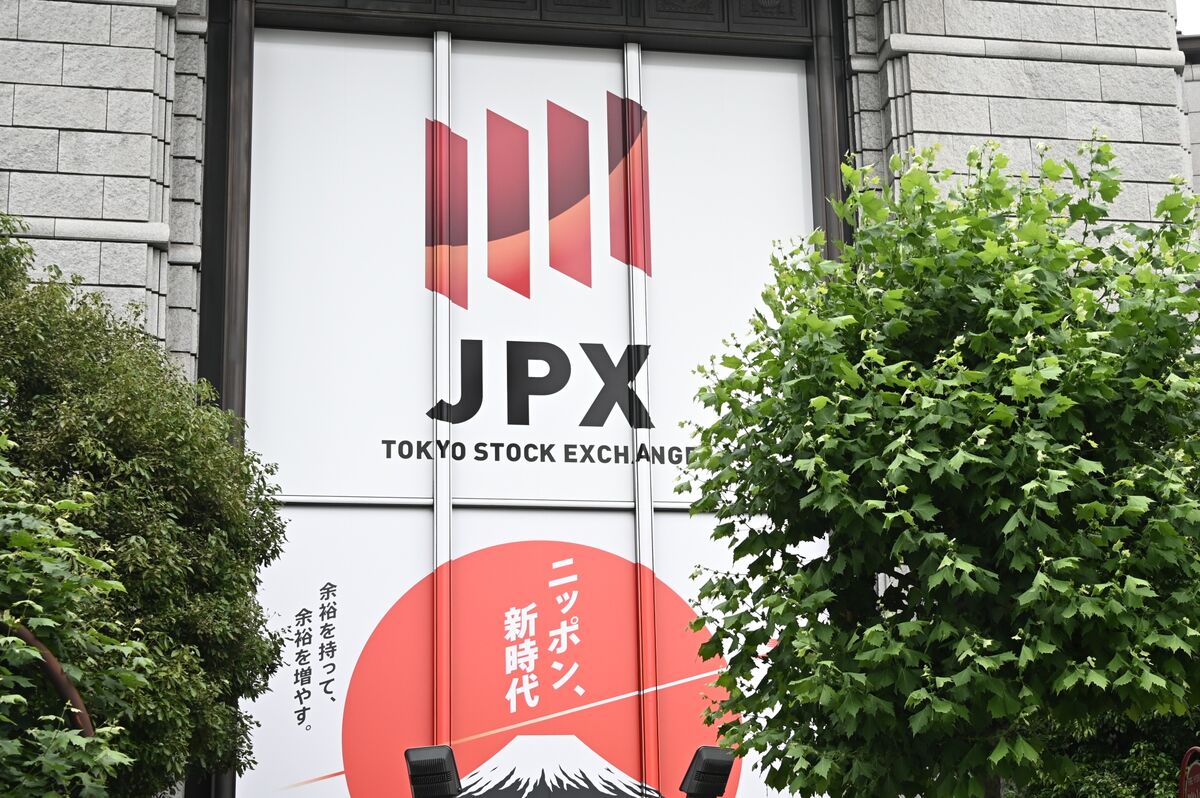
Image via Bloomberg
JPMorgan says Asia’s deal engine is warming up again
JPMorgan is positioning for more mergers, acquisitions, and capital markets activity across Asia-Pacific as dealmaking momentum builds, according to comments from banker Paul Uren. The pitch: companies are getting more willing to transact as valuations stabilize, financing conditions improve at the margin, and boards re-engage after a cautious stretch.
If the pipeline holds, the impact won’t be limited to bankers’ fee pools. More deals tend to unlock secondary effects—cross-border investment flows, restructurings, and sector consolidation—especially in markets where governments are simultaneously pushing industrial policy and market liberalization in uneven doses.
Read the full story at Bloomberg →

Image via Forbes
Judge orders DOJ to unredact more Epstein-file details
A federal judge ordered the Justice Department to unredact certain details in files tied to Jeffrey Epstein, including names of “potential co-conspirators” referenced in specific materials. The court set a deadline of next Thursday for DOJ to either disclose the names or justify continued redactions.
The ruling increases pressure on prosecutors to clarify what is being withheld and why, while also raising predictable disputes over privacy, due process, and the difference between named “potential” actors and charged defendants. Practically, the next filings will signal whether DOJ plans to fight disclosure broadly or narrow the fight to a small set of names and documents.
Read the full story at Forbes →

Image via Washington Examiner
Watchdog warns the Strategic Petroleum Reserve is wearing out
A Government Accountability Office review warns the Strategic Petroleum Reserve is at significant risk of operational failure after repeated drawdowns and heavy use. The message is blunt: the system wasn’t designed to be tapped this often without sustained maintenance and modernization.
That matters because the SPR is supposed to be the country’s last-resort shock absorber for major supply disruptions—not a routine policy lever. If caverns, pumps, and distribution capacity degrade, future releases could be slower, smaller, or harder to execute right when markets are most stressed.
Read the full story at Washington Examiner →
That’s the week in five: record crowds, fragile diplomacy, warming deal flow, forced transparency, and a national backup plan that needs its own backup.
— Daily Recap Editorial