Sponsored By:
Oil markets are shifting as Venezuela's disruption removes critical barrels while spare capacity shrinks. Supply pressure is building before headlines catch up — and smart traders are positioning now.
Our exclusive briefing reveals three energy stocks emerging from this supply shock, plus the key signals to monitor as this setup evolves. This is about preparation, not prediction.
Get the Free Oil Trading ReportBy following the links above, you're opting in to receive valuable updates from Wealthiest Investor News plus 2 bonus subscriptions. Your privacy is important to us. You can unsubscribe anytime. See our privacy policy for details.

Never Lose Sleep About What You Missed. Five stories, zero fluff, and the next thing to watch for each.
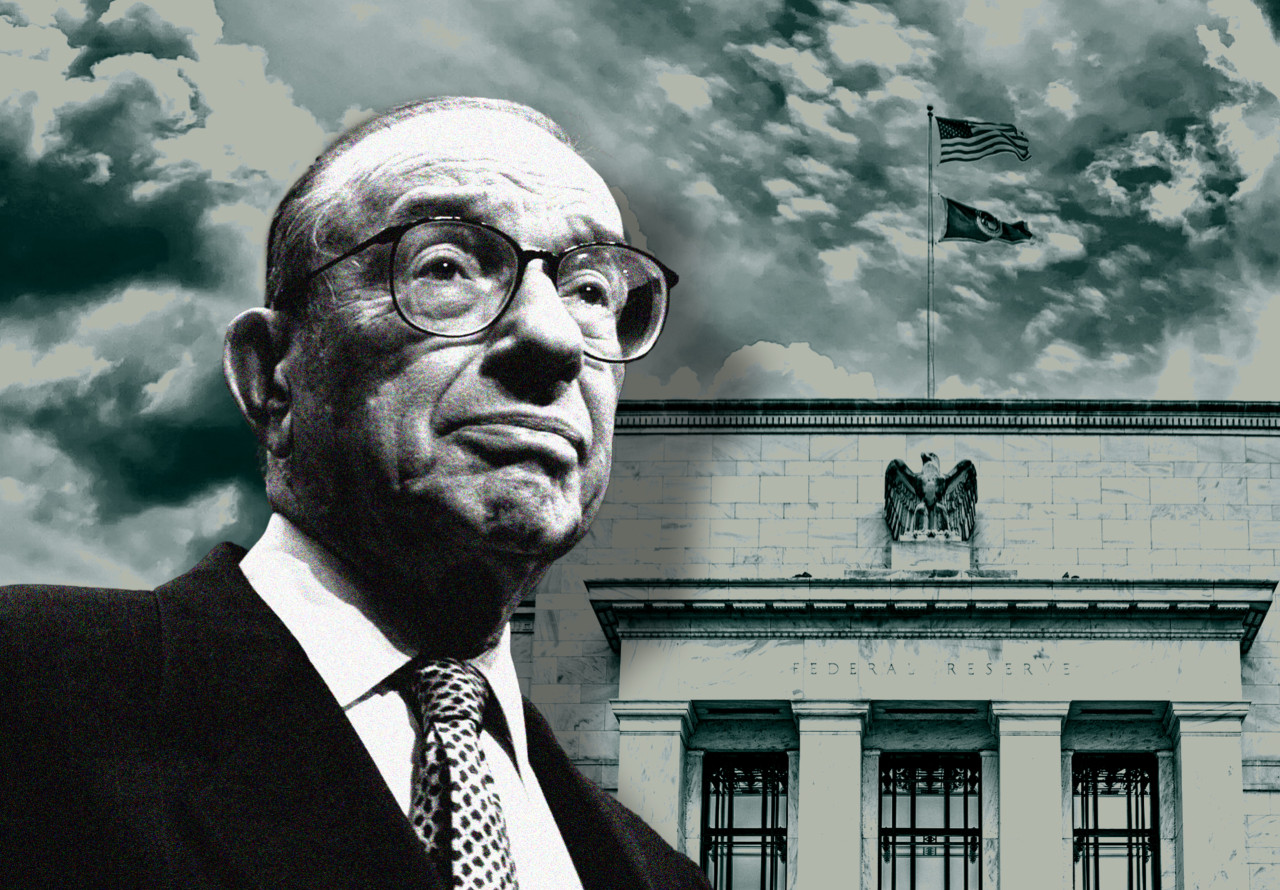
Image via MarketWatch
Alan Greenspan Dies at 100, Closing the Book on the Fed’s Most Dominant Era
Alan Greenspan, who ran the Federal Reserve from 1987 to 2006 and became the defining central banker of late-20th-century America, has died at 100. He presided over the 1987 crash, the 1990s boom, the Asian/Russian crises, the dot-com bubble, and the early 2000s downturn—often with an outsized influence on markets and Washington alike.
Greenspan’s tenure cemented the modern idea that the Fed’s words can move the world as much as its interest-rate decisions. His legacy remains contested: praised for long growth stretches and crisis management, and criticized for policy choices (and regulatory philosophy) that critics argue helped set conditions for later financial instability.
Source: MarketWatch
Read the full story at MarketWatch →
Starmer Resigns—But Tries to Control the Exit Clock
U.K. Prime Minister Keir Starmer announced his resignation, but paired it with a months-long timetable for stepping aside, signaling an attempt to manage party succession and government continuity on his terms. The announcement was visibly emotional, underscoring how politically and personally fraught the moment is for Labour.
A delayed departure can reduce immediate market and governing turbulence, but it also invites a prolonged leadership contest in slow motion—fueling uncertainty for ministers, MPs, and anyone waiting on major policy decisions. The key question is whether the party accepts an extended runway or forces a faster handover once internal pressure builds.
Source: Breitbart
Read the full story at Breitbart →
Mamdani Picks a Fight With Pro-Israel Democrats—and Dares Them to Hit Back
New York City Mayor Zohran Mamdani escalated his clash with pro-Israel Democrats, calling AIPAC “monsters” at a rally as he backed three hand-picked democratic socialist congressional candidates. The move is aimed at consolidating an ideological “squad”-style bloc—less about persuasion, more about turning primaries into loyalty tests.
The immediate impact is intraparty: it raises the cost for mainstream Democrats who want to stay quiet, and it pressures incumbents to choose between activist energy and donor-aligned coalitions. The broader stakes are national, because these fights tend to travel—reshaping messaging, fundraising, and candidate recruitment well beyond New York.
Source: The Daily Wire
Read the full story at The Daily Wire →

Image via Investing.com
SpaceX Shares Slide as Private-Market Reality Reasserts Itself
SpaceX-linked shares traded lower Monday, a reminder that even the most coveted private names aren’t immune to sentiment shifts when investors start re-pricing risk. The pullback follows a pattern typical in private-to-public “proxy” trading: bursts of enthusiasm give way to valuation discipline, especially when timelines, cash needs, or regulatory headlines become the focus.
With SpaceX, the market’s usual pressure points are well-known: Starship development cadence, launch/regulatory pacing, and capital intensity—plus the constant question of how and when Starlink’s economics ultimately translate into durable free cash flow. What to watch is whether the selling is a one-day reset or the start of a broader de-rating across space and defense-adjacent growth names.
Source: Investing.com
Read the full story at Investing.com →
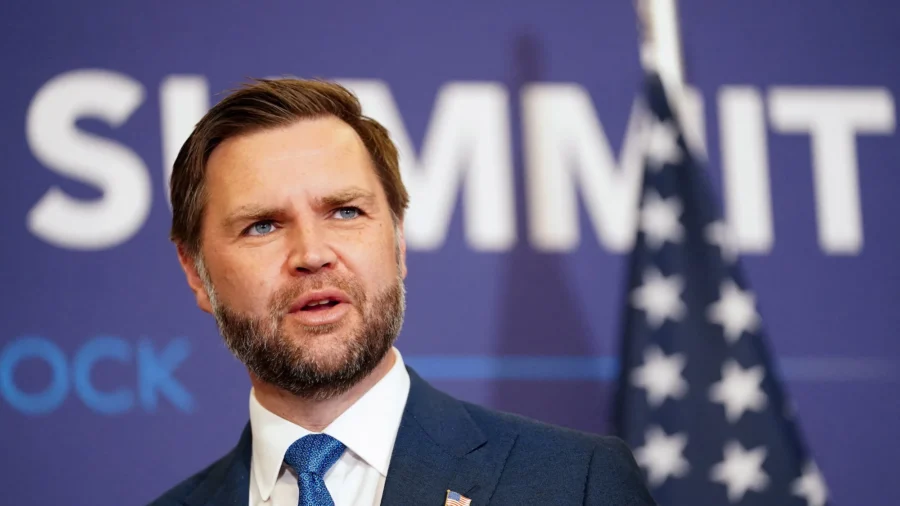
Image via NTD
Vance in Switzerland: High-Level Meetings, Carefully Scripted Signals
Vice President JD Vance delivered remarks in Switzerland during a set of high-level meetings, including an encounter with Pakistan’s Prime Minister Shehbaz Sharif at the Burgenstock complex overlooking Lake Lucerne. The setting signaled coordination-heavy diplomacy: small rooms, big agendas, and messaging calibrated for multiple audiences.
Public remarks on trips like this tend to serve two purposes—reassure allies and shape expectations for what comes next—while the substantive work happens in bilateral sessions. The next tell will be whether U.S. and partner statements converge on specific deliverables (security cooperation, economic commitments, or regional de-escalation) rather than broad language.
Source: NTD
That’s the day. If something changes overnight, you’ll see it here before your second coffee.
— Daily Recap Editorial