A rare momentum indicator just fired — and it's pointing at a small-cap stock that's still flying completely under the radar. Historically, when this signal triggers, real movement tends to follow before the crowd ever catches on.
Trading Ideas has put together the full briefing: company name, chart data, and the exact signal they're watching — all in one free report. This is the kind of early setup that doesn't stay quiet for long.
Access the Free Report Now*We encourage readers to perform their own research and due diligence on any information we provide. By clicking the link you will automatically be subscribed to the Trading Ideas Newsletter. View our Privacy Policy.


Image via The Hill
Iran says two oil tankers blew up after transiting the Strait of Hormuz
Iran’s Islamic Revolutionary Guard Corps said Monday that two oil tankers exploded after passing through the Strait of Hormuz, calling the vessels “deviant” and framing the incident as a security matter rather than an accident. The IRGC did not immediately provide full details on casualties, cargo status, ownership, or precisely where the explosions occurred after transit.
The Strait of Hormuz is the world’s most critical oil chokepoint, with a large share of global crude and refined products moving through a narrow shipping lane bordered by Iran and Oman. Any credible disruption—especially tied to the IRGC—tends to spike shipping insurance, reroute traffic, and put upward pressure on energy prices even before physical supply is lost.
Source: The Hill
Read the full story at The Hill →
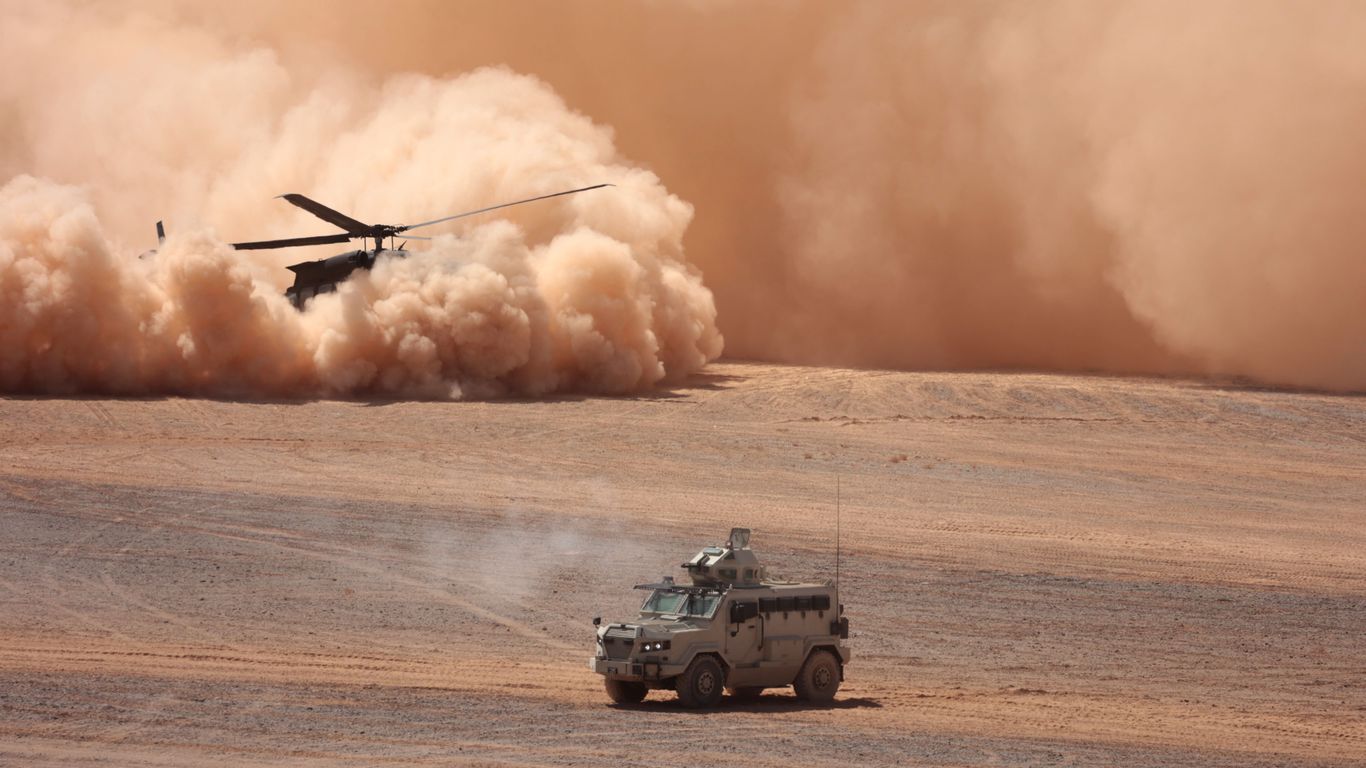
Image via Axios
U.S. hits Iran again after reporting another troop death
The U.S. launched fresh strikes against Iran on Sunday evening, Axios reported, following the announcement that one American service member had died and that another’s remains were recovered after an earlier attack tied to U.S. forces in the region. The sequencing signals Washington is treating the latest casualties as part of an ongoing campaign rather than an isolated incident.
The new strikes add to a fast-moving escalation cycle: attacks on U.S. personnel, U.S. retaliation, and the risk of broader regional spillover involving maritime security and energy flows. The practical question now is whether Tehran (or aligned groups) absorbs the blows—or answers with another hit that forces a larger U.S. response.
Source: Axios
Read the full story at Axios →
U.S. gas is back at $4—again
The national average price of gasoline has climbed back to roughly $4 per gallon, according to reporting tied to energy-market volatility and the Iran conflict. The move reflects the market’s usual reflex: when crude prices jump on geopolitical risk, consumers feel it quickly at the pump.
Even if crude prices stabilize, refinery constraints, summer demand, and regional supply issues can keep retail prices elevated longer than headlines suggest. Politically, $4 gas has a habit of becoming a daily referendum on competence—no matter how global the causes are.
Source: AP News
Read the full story at AP News →
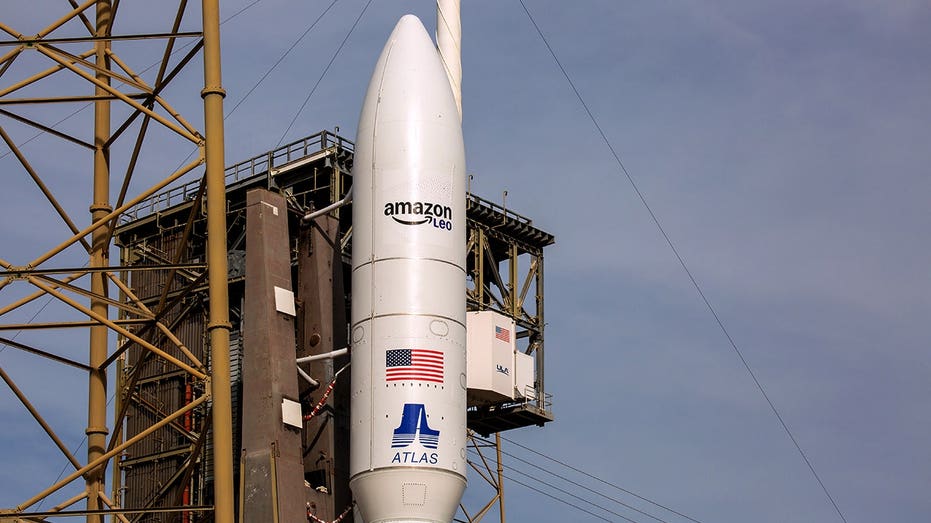
Image via Fox News
Amazon’s LEO internet is real now—but Starlink is still the benchmark
Amazon’s low-Earth-orbit satellite internet effort has 396 satellites deployed after its July 2 launch, positioning the company as a serious challenger to SpaceX’s Starlink. The question isn’t whether Amazon can build—it's when it can offer widespread, reliable service at scale.
Starlink’s first-mover advantage is massive: more satellites, more customers, and more field-proven performance, especially in hard-to-reach areas and during disasters. Amazon has the money and the cloud infrastructure, but LEO broadband is ultimately a launch cadence and ground-terminal execution game.
Source: Fox News
Read the full story at Fox News →
You’re caught up. Go live your life.
— Daily Recap Editorial