In partnership with

It's time to set up your holiday streaming campaign

Are you ready to reach holiday shoppers on CTV? For many streamers, the season is already underway.
Last year, according to Roku internal data, holiday content searches on Roku saw an 86% increase during October. And in November, those searches rise an average of 39% weekly. This surging holiday spirit is mirrored by consumer activity, as about half of Roku streamers shopped Black Friday and Cyber Monday deals in 2025.
Meeting those shoppers is easier than you might think. Begin with the seasonal outcome you hope to drive: awareness, online sales, leads, store visits, or another measurable goal. From there, define your audience, upload your creative, set the budget and campaign dates, and establish measurement before launching. You can even create a shoppable ad unit that lets streamers buy with a click of their remote.
Our holiday playbook offers a month-by-month guide to reaching shoppers during this all-important time of year.
First-time spenders get a $5,000 match on the first $5,000 spent with code BEEHIIV5K. Terms apply.

Six quick reads for Monday: Jensen Huang Back in Charge, a Russian warship goes down far from the Black Sea, markets digest the AI trade’s mood swings, and an inside-Beijing view says U.S.-China tension rises but doesn’t snap.
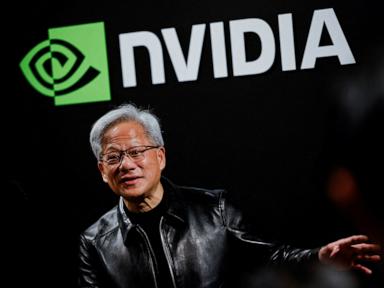
Image via ABC News
Nvidia reinstates Jensen Huang as CEO
Nvidia said Monday it has reinstated Jensen Huang as president and CEO. The company did not frame the move as a long transition; it read like a reset to the familiar leadership structure investors associate with Nvidia’s breakout era.
Why it matters: Nvidia is still the lynchpin of the AI hardware stack, and leadership clarity is a material input to how markets price execution risk, supply commitments, and long-cycle platform bets. What to watch next is whether Nvidia pairs the announcement with near-term operational signals: guidance tone, major customer capacity allocations, and any changes to the company’s roadmap cadence or capital spending posture.
▪ The Bottom Line: This is Nvidia choosing predictability over experimentation, and that’s usually the right call when your product cycle is effectively national infrastructure for the AI economy. If there was any internal wobble, the company just told the market it’s done with it. The only real question now is whether execution stays as disciplined as the narrative is tidy.
📎 ABC News

Image via ABC News
Zelenskyy says Ukraine sank a Russian warship in Libya
Ukrainian President Volodymyr Zelenskyy confirmed Kyiv was responsible for the sinking of Russia’s Merkury warship while it was docked in Benghazi, Libya, saying Ukrainian naval drones carried out the strike. The admission pushes Ukraine’s campaign against Russian military assets well beyond the immediate theater around the Black Sea.
The hit matters because it signals reach and intent: Ukraine is willing to target Russian hardware and logistics wherever it finds them, including in ports that sit outside NATO’s direct security umbrella. It also drags Libya’s already-fragmented security landscape further into the Russia-Ukraine conflict, raising the odds of retaliation, tighter port security, and more shadow-war friction around maritime supply lines.
Read the full story at ABC News →

Image via RealClearMarkets
Anthropic’s IPO buzz is shaking the AI trade’s confidence
A wave of positioning tied to Anthropic’s IPO is being blamed for a broader market correction dynamic, especially in crowded AI-adjacent names where expectations are high and patience is thin. The argument: when a marquee AI listing pulls attention and capital, it can expose how levered and consensus-heavy the rest of the trade has become.
The bigger takeaway isn’t just one deal; it’s the market’s new rule for AI: great stories still get repriced fast when liquidity tightens or when investors decide they already own enough “future.” If this correction deepens, it will likely look less like a fundamental verdict on AI and more like a reset of multiples, risk appetite, and what investors are willing to pay for growth.
Read the full story at RealClearMarkets →
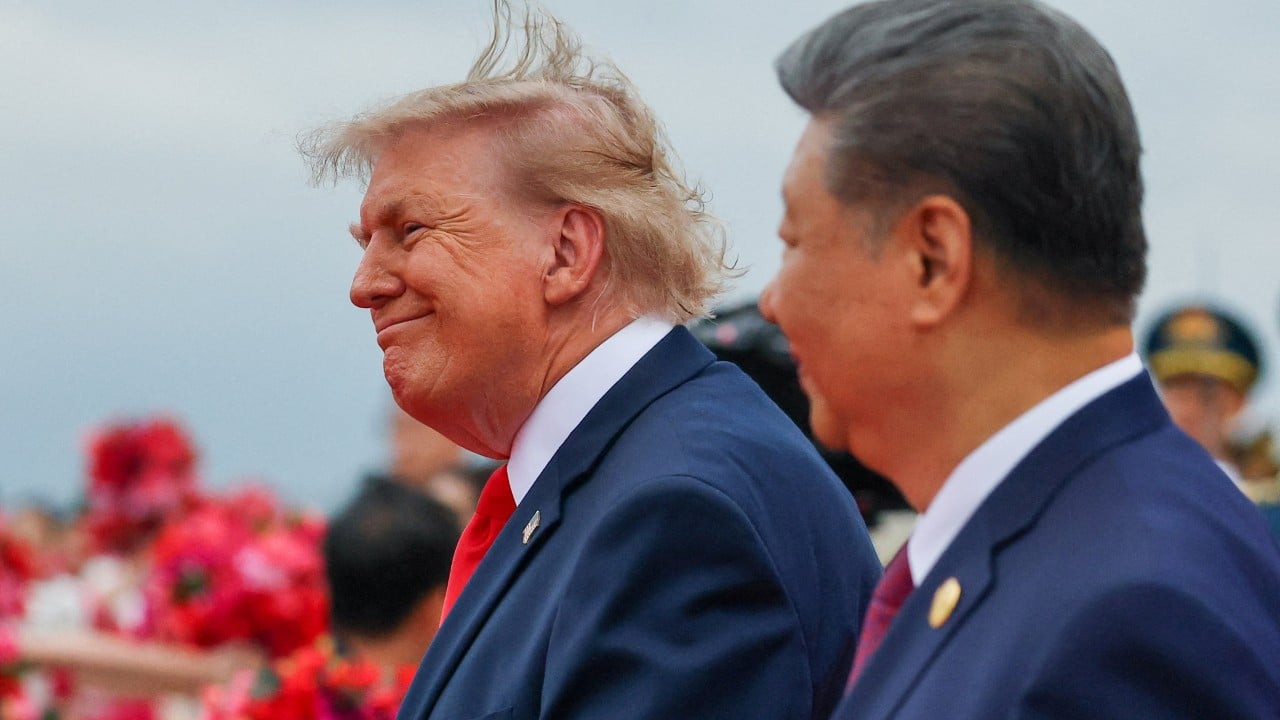
Image via South China Morning Post
Beijing’s forecast for 2027: tougher U.S. ties, but no full rupture
A leading Beijing expert predicts China-U.S. relations will turn “more difficult” in 2027, with more confrontational dynamics and rising tensions, while still remaining broadly stable. The assessment, from Da Wei of Tsinghua University, points to a relationship that keeps functioning at a basic level even as strategic distrust hardens.
Translation for busy readers: expect more friction points, more guardrails, and more political posturing, but also continued mutual incentives to avoid a true breakdown that would hammer trade, finance, and crisis management. What to watch is whether stability is maintained through structured dialogue and risk controls, or merely through both sides choosing to postpone the biggest fights.
Read the full story at South China Morning Post →
Williams-Sonoma fell 15%. One analyst still says sell.
Williams-Sonoma shares are down roughly 15%, but a bearish case argues the stock still isn’t priced for the risks facing higher-end home retail. The thesis: even if the company executes well, demand can stay soft as consumers prioritize services and essentials, and as housing turnover remains constrained.
For investors, the key question is whether this is a quality compounder temporarily on sale or a premium multiple meeting a slower-growth reality. Watch upcoming guidance, promotional intensity across home furnishings, and whether margin resilience is coming from durable pricing power or from levers that get harder to pull over time.
Read the full story at Seeking Alpha →
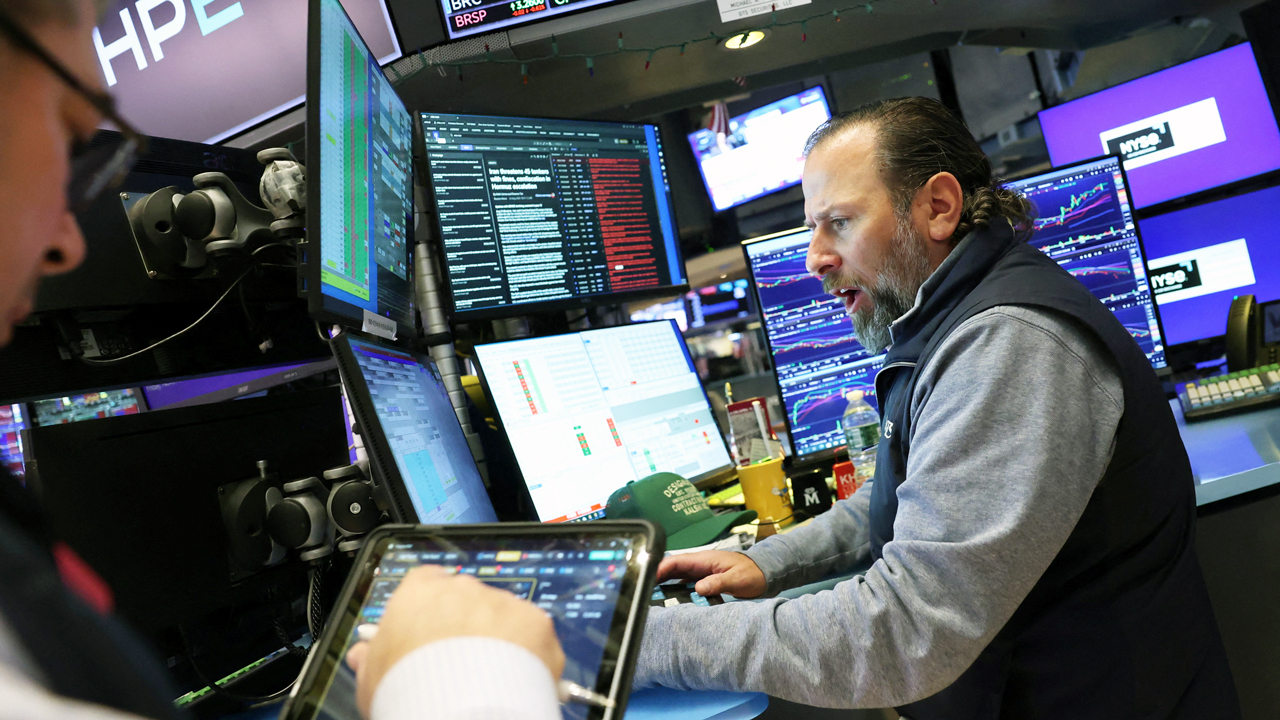
Image via Fox Business
Futures bounce as AI and chip stocks try to claw back losses
U.S. stock futures pointed higher Monday after last week’s sharp sell-off in AI-linked names, with chip stocks leading the rebound as investors looked for stabilization in the sector. Nvidia’s recovery is in focus, not because one company decides the whole market, but because it’s become the sentiment barometer for AI risk.
The next macro catalyst is Wednesday’s PCE inflation report, which can quickly change the tone on rates and valuations. If inflation prints hotter, high-multiple tech could give back this bounce fast; if it cools, the rally attempt may broaden beyond the usual AI winners.
Read the full story at Fox Business →
That’s the day: one strike in Libya, one shaky AI tape, and one inflation datapoint that can move everything. See you tomorrow.
— Daily Recap Editorial