Nuclear energy isn't waiting around — and neither should you. Last year, nuclear-related stocks surged 40%+, driven by real earnings, real contracts, and real demand. One uranium producer alone generated nearly $200 million in quarterly free cash flow, while others locked in long-term government contracts — no commodity swings required. With U.S. nuclear capacity projected to triple over the coming decades, this buildout is just getting started.
MarketBeat analysts have identified 7 top nuclear stocks positioned to ride this wave — some with upside tied to uranium prices, others backed by steady contracts and infrastructure spending. The full report is free right now, but it won't stay that way. Grab your copy before it moves behind the paywall.
Send My Free Nuclear ReportBy clicking the link above, you will receive this free report and a free subscription to MarketBeat's daily email newsletter. You are also agreeing to the terms of our privacy policy. Unsubscribe at any time.

Monday, September 14, 2026. Five stories, zero fluff: Washington draws a line on $5,000 checks, the Gulf heats up, oil jumps on security shocks, Amazon pauses a cargo carrier after a runway incident, and markets flinch at an AI warning.

Image via Axios
Johnson: Trump’s $5,000 checks aren’t happening without Congress
House Speaker Mike Johnson said President Trump’s idea to send $5,000 “dividend” checks to adult Americans would require congressional approval, underscoring that the White House can’t cut checks of that scale by executive action. The comment puts the proposal back where big spending fights usually end up: committees, offsets, and a vote count that has to survive both chambers.
The key question is not whether voters like the number; it’s whether lawmakers can agree on funding, eligibility, and timing without blowing up the budget baseline. Even if leadership wanted it, Congress would still have to decide whether this is a one-time payment, a recurring benefit, or a rebranding of an existing program—and every version creates different winners, losers, and political liabilities.
Source: Axios
Read the full story at Axios →
Iran claims it downed a U.S. drone over Hormuz
Iran said it destroyed an advanced U.S. drone over the Strait of Hormuz, the world’s most sensitive oil chokepoint, as U.S.-Iran tensions continued to escalate. The claim lands amid a cycle of warnings and strikes that, so far, hasn’t produced a clear off-ramp.
If confirmed, the incident raises the risk of miscalculation in a narrow corridor where surveillance, air defenses, shipping traffic, and regional militaries operate in close proximity. Markets and allies will watch whether Washington responds militarily, tightens rules of engagement, or shifts naval and air assets to deter further incidents without widening the conflict.
Source: CNBC
Oil spikes as militants seize ground and traders price chaos
Oil prices surged as reports highlighted terrorists taking strategically important territory, a reminder that energy markets don’t need a full-scale war to panic—just credible threats near supply routes and infrastructure. The move added fresh geopolitical risk premium on top of an already tense Middle East backdrop.
Even when barrels aren’t immediately disrupted, traders react to the possibility of pipeline sabotage, port shutdowns, shipping insurance spikes, or retaliatory strikes. The near-term watch is whether security forces regain control quickly, or whether the situation drags into a longer contest that bleeds into transit corridors and export capacity.
Source: The Daily Wire
Read the full story at The Daily Wire →
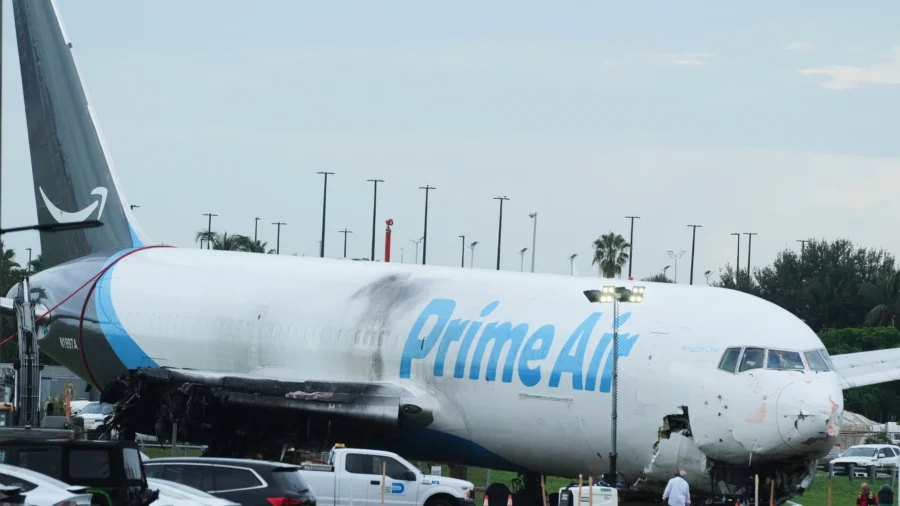
Image via NTD
Amazon pauses 21 Air after Miami runway overrun
Amazon suspended its use of 21 Air, a cargo carrier, after one of its planes careened off a runway at Miami International Airport days ago. The incident triggered inspections and the kind of operational scrutiny that tends to follow runway excursions, even when there are no catastrophic injuries.
For Amazon, this is about network reliability and risk management as much as aviation safety: when a contractor’s mishap hits headlines, the cost shows up in delays, contingency routing, and reputational exposure. The next step is the investigation’s early findings—maintenance records, weather and braking data, pilot reports—and whether regulators or insurers impose additional conditions before flying resumes.
Source: NTD
Image via Yahoo Finance
Futures slide: AI risk talk hits tech as oil jumps
U.S. stock futures fell with tech under pressure after a warning tied to Anthropic’s view of AI-related risk spooked traders, while higher oil prices added inflation anxiety. The setup signaled a risk-off open: investors rotated away from high-duration growth names as uncertainty rose on two fronts at once.
The market message was simple: anything that threatens the “smooth path” narrative—benign inflation, steady rates, unstoppable tech earnings—gets punished fast. What to watch next is whether the AI warning changes how regulators, enterprise buyers, or mega-cap boards talk about deployment and liability, and whether oil’s move sticks long enough to matter for rate expectations.
Source: Yahoo Finance
Read the full story at Yahoo Finance →
That’s the whole board in under five minutes. Back tomorrow morning.
— Daily Recap Editorial