A rare signal just fired. One of Alpha Wire Daily's most reliable indicators — the kind that doesn't trigger often — just flagged a quiet small-cap that's historically appeared right before major announcements, institutional buying surges, and sharp price moves. Most investors haven't noticed it yet.
The team at Alpha Wire Daily put together a full briefing: company name, chart setup, and exactly why this one made the cut. They'd rather send you one email that matters than fifty that don't. This is that email — but it won't stay timely for long.
Read the Free Report + Get Alert AccessWe encourage readers to perform their own research and due diligence on any information we provide. By clicking the link above you will automatically be subscribed to the Alpha Wire Newsletter. Privacy Policy

U.S. strikes hit Iran overnight, Q2 growth weakens, inflation edges down, and tech earnings split the tape.

Image via NBC News
Iran Promises Response After U.S. 'Heavy Wave' of Strikes
Iran vowed to "punish the aggressor today" following overnight American military strikes that the Pentagon described as a "heavy wave" targeting Iranian infrastructure. The strikes represent the latest escalation in a tit-for-tat conflict that began after an Iranian-linked attack on U.S. assets earlier this month.
The operation reportedly hit military installations and command centers across multiple Iranian provinces. Tehran's Supreme National Security Council convened an emergency session early Thursday, with officials promising an "immediate and decisive" response that could further destabilize an already volatile Middle East.
Read the full story at NBC News →
Q2 Growth Slows as Iran Conflict Drives Energy Costs Higher
U.S. economic growth decelerated in the second quarter as the escalating Iran conflict sent energy prices surging, according to new Commerce Department data released Thursday. GDP growth slowed to an estimated 1.8% annualized rate between April and June, down from 2.4% in Q1.
The slowdown was driven primarily by a sharp spike in gasoline and diesel costs that squeezed consumer spending and raised input costs for businesses. Economists warn that if oil prices remain elevated through the summer, third-quarter growth could slip below 1.5%, raising concerns about a broader economic contraction heading into the election season.
Read the full story at CBS News →

Image via Fox Business
Inflation Gauge Eases but Stays Above Fed Target
The Federal Reserve's preferred inflation measure pulled back in June but remained stubbornly above the central bank's 2% target, complicating the policy outlook amid slowing growth. The Personal Consumption Expenditures index rose 2.6% year-over-year, down from 2.8% in May, while the core measure excluding food and energy held at 2.7%.
The modest decline gives the Fed little room to maneuver as it faces mounting pressure to cut rates in response to weakening economic activity. Market participants are pricing in a 65% probability of a rate cut at the September meeting, though persistent inflation could force policymakers to hold steady even as growth deteriorates.
Read the full story at Fox Business →
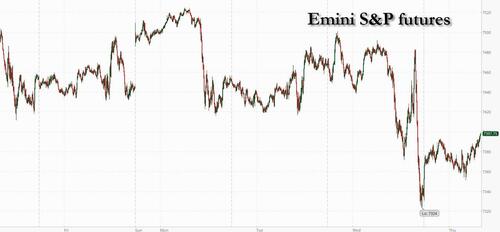
Image via ZeroHedge
Futures Climb on Oil Pullback and Tech Earnings Split
Stock futures rebounded Thursday morning as oil prices retreated from recent highs and bond selling eased, offering relief after Wednesday's Fed-induced selloff. S&P 500 futures rose 0.8% while the Nasdaq gained 1.1%, driven by a sharp split in mega-cap tech earnings.
Microsoft shares soared 6% in premarket trading after the company reported cloud revenue that crushed analyst expectations, signaling continued strength in enterprise AI adoption. Meta fell 8% after warning that advertising revenue growth would decelerate in the second half as economic uncertainty prompts brands to pull back spending, highlighting the diverging fortunes within big tech.
Read the full story at ZeroHedge →

Image via Fortune
UPS CFO Says Amazon Pullback Strategy Delivers Margin Gains
UPS is seeing tangible benefits from its strategic decision to scale back its relationship with Amazon, with CFO Brian Dykes telling Fortune that the move has driven margin expansion and opened pathways to higher-value customers. The company reported improved operating margins in its ground network as it shifted capacity away from low-margin e-commerce volume toward healthcare, industrial, and premium small business accounts.
Dykes said the transition required difficult short-term revenue sacrifices but positioned UPS for more sustainable growth as the company focuses on customers willing to pay for reliability and speed. The strategy marks a sharp departure from the previous decade, when UPS aggressively pursued Amazon's volume even as profitability suffered.
Read the full story at Fortune →
That's Thursday. You're caught up.
— Daily Recap Editorial