Sponsored By:
Three under-the-radar small-cap stocks are showing early signs of unusual market activity. Our research team has identified emerging changes in volume patterns and momentum that typically precede broader market attention.
These lightly covered companies are just starting to appear on institutional watchlists. Get our complete analysis covering where the activity is happening, what's driving participation, and our criteria for tracking these emerging setups — releasing in the next 24-48 hours.
Get the Free Research UpdateThis material is shared strictly for educational and informational purposes. We encourage readers to perform their own research and due diligence. By clicking the link you will automatically be subscribed to the Stock News Trends Newsletter. Privacy Policy

A red-state trip, a fragile Hormuz ceasefire, regime-change rhetoric, a cruise health scare, and an insurance showdown in California.
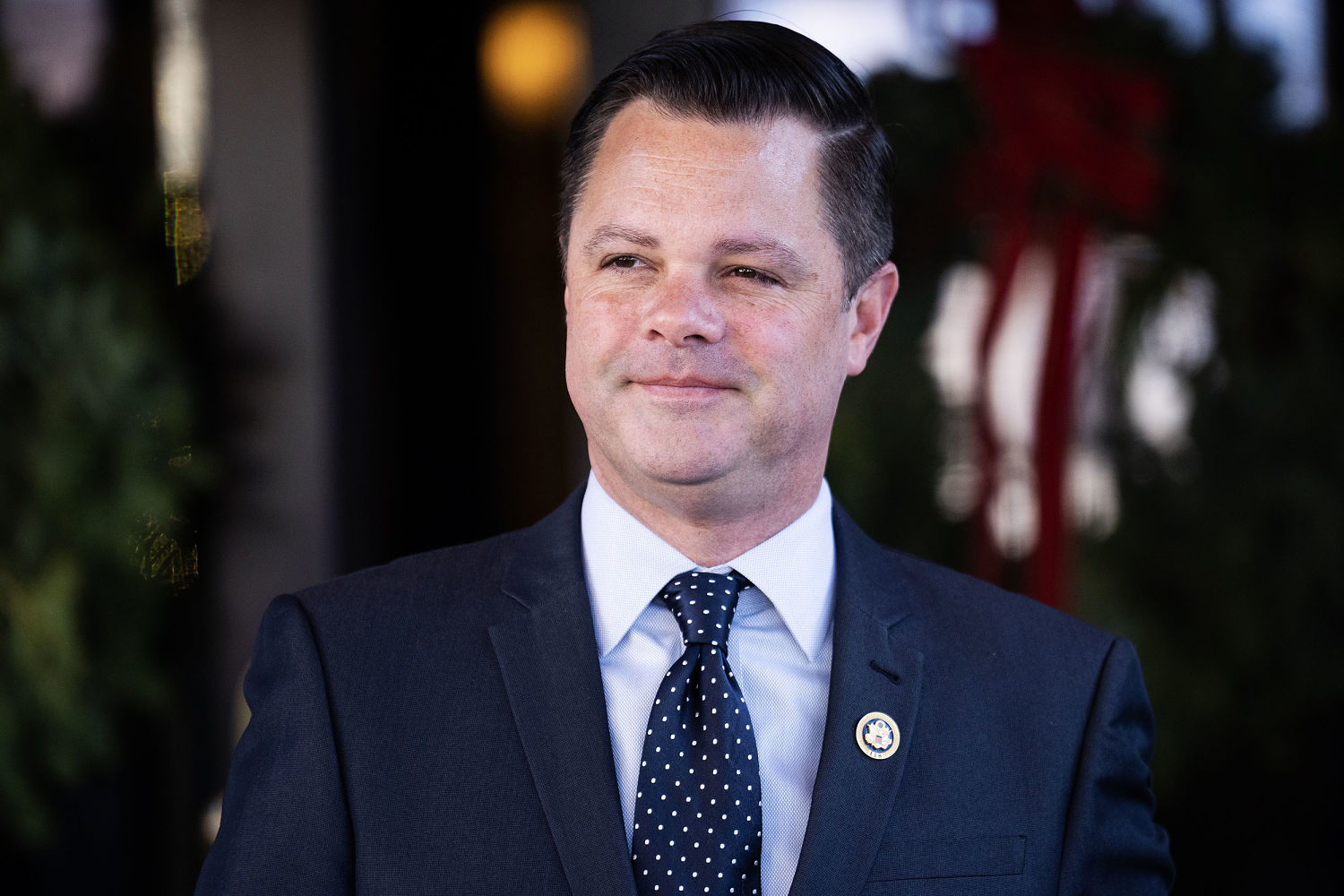
Image via NBC News
Iowa Isn’t Supposed to Be This Complicated for the GOP
Vice President JD Vance heads to Iowa Tuesday to boost Rep. Zach Nunn, one of the House Republicans now sitting closer to “endangered” than “safe” in a state the party typically counts as friendly terrain. The visit is a reminder that 2026 could turn into a grind even on red-leaning maps, especially when turnout and ticket-splitting start reappearing in competitive suburbs.
Republicans are also watching Iowa’s larger statewide picture, with major races for Senate and governor shaping the political weather around down-ballot contests. If the top of the ticket tightens, it can force the NRCC and allies to spend money they’d rather reserve for true toss-ups elsewhere.
Read the full story at NBC News →
Strait of Hormuz: Ceasefire in Name, Convoys in Practice
The U.S.-Iran ceasefire is holding “for now,” Defense Secretary Pete Hegseth said, after a naval clash and renewed attacks targeting the UAE added fresh stress to the agreement. The U.S. is guiding ships through the Strait of Hormuz, effectively treating the world’s most important oil chokepoint like an escorted corridor rather than a normal commercial lane.
The immediate risk is less about one incident and more about miscalculation—fast-moving naval encounters, drone activity, and proxy strikes that can escalate before diplomats can slow them down. Markets and allies are watching whether the U.S. can keep shipping lanes open without sliding back into tit-for-tat strikes.
Read the full story at CBS News →
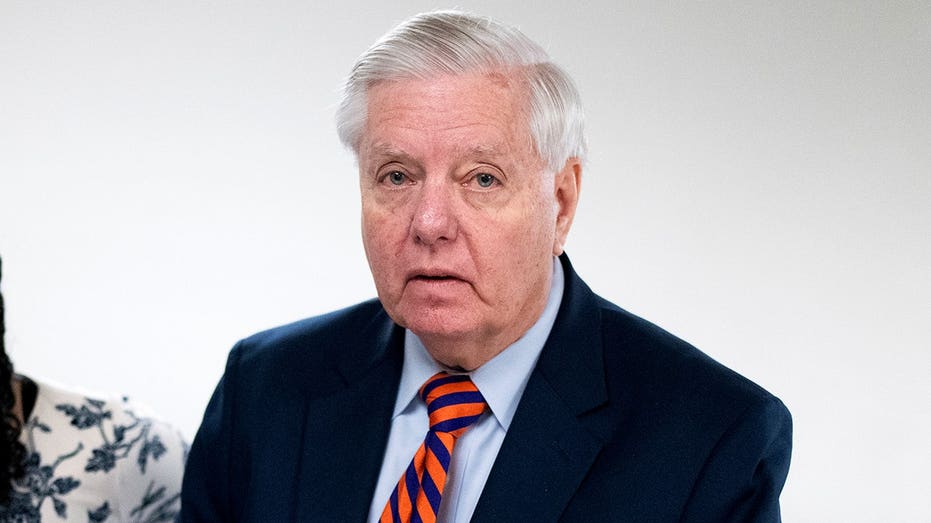
Image via Fox News
Graham Floats an Armed-Uprising Plan for Iran
Sen. Lindsey Graham argued the U.S. and Israel should arm Iranian civilians as a “Second Amendment solution” to help overthrow the Islamic Republic. He framed it as a way to shift from external military pressure to internal regime change driven by the population.
The remarks land as Washington tries to stabilize a fragile ceasefire and avoid widening conflict, putting a high-profile Republican voice on the side of a far more aggressive endgame. Even as rhetoric, the proposal raises questions about escalation, blowback, and how such an effort would be controlled—or not.
Read the full story at Fox News →

Image via MarketWatch
Spain Holds Cruise Passengers After Hantavirus Scare
Spain is conducting a health inspection of a ship tied to a hantavirus outbreak before passengers are allowed to disembark. Officials now believe an infected couple likely contracted the virus before boarding, shifting attention toward pre-boarding exposure rather than onboard spread.
Even with that reassurance, authorities are treating the situation as a containment test: verify cases, trace contacts, and ensure no secondary transmission before reopening normal travel movement. Cruise operators and ports are sensitive to anything that resembles a repeat of pandemic-era disruptions.
Read the full story at MarketWatch →
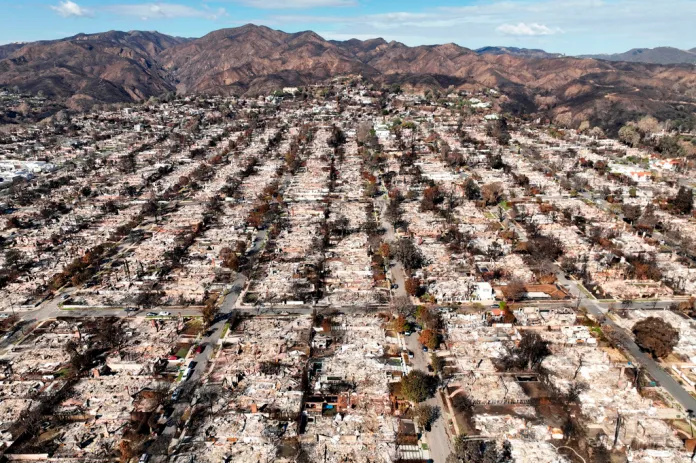
Image via Washington Examiner
State Farm Pushes Back on California’s Wildfire Claims Probe
State Farm rejected California investigators’ allegations that it mishandled Los Angeles wildfire claims and violated state law. The company is disputing the findings as regulators scrutinize how major insurers process disaster-related claims amid rising wildfire losses.
The fight matters because California’s insurance market is already strained: higher risk, tighter underwriting, and political pressure to keep premiums from spiking. A regulatory clash with the state’s largest home insurer could ripple into pricing, availability, and how quickly homeowners get paid after future fires.
Read the full story at Washington Examiner →
Never lose sleep about what you missed.
— Daily Recap Editorial