History shows a clear pattern: the investors who recognized the exact inflection point in the dot-com boom pocketed 400–800% gains in 18 months. Those who spotted the same moment in cloud computing saw 300–600% returns. Based on 50 years of market data, that same moment is happening right now — and the acceleration phase has already begun.
This free 7-page report reveals where we are in the current megatrend cycle, why the next 18 months are critical, and how to position yourself before the window closes. Don't be the investor who enters too late.
Get the Free ReportBy clicking 'Get the Free Report' you are automatically subscribing to Darwin Investor Network and will receive a free subscription to the Chaikin PowerFeed newsletter. Unsubscribing is easy. Privacy Policy

Friday, July 10, 2026: A fragile U.S.-Iran channel is being patched by regional fixers, Washington is fighting over who oversees elections, markets are in a holding pattern, travelers keep paying up, and Spain faces a lethal wildfire.
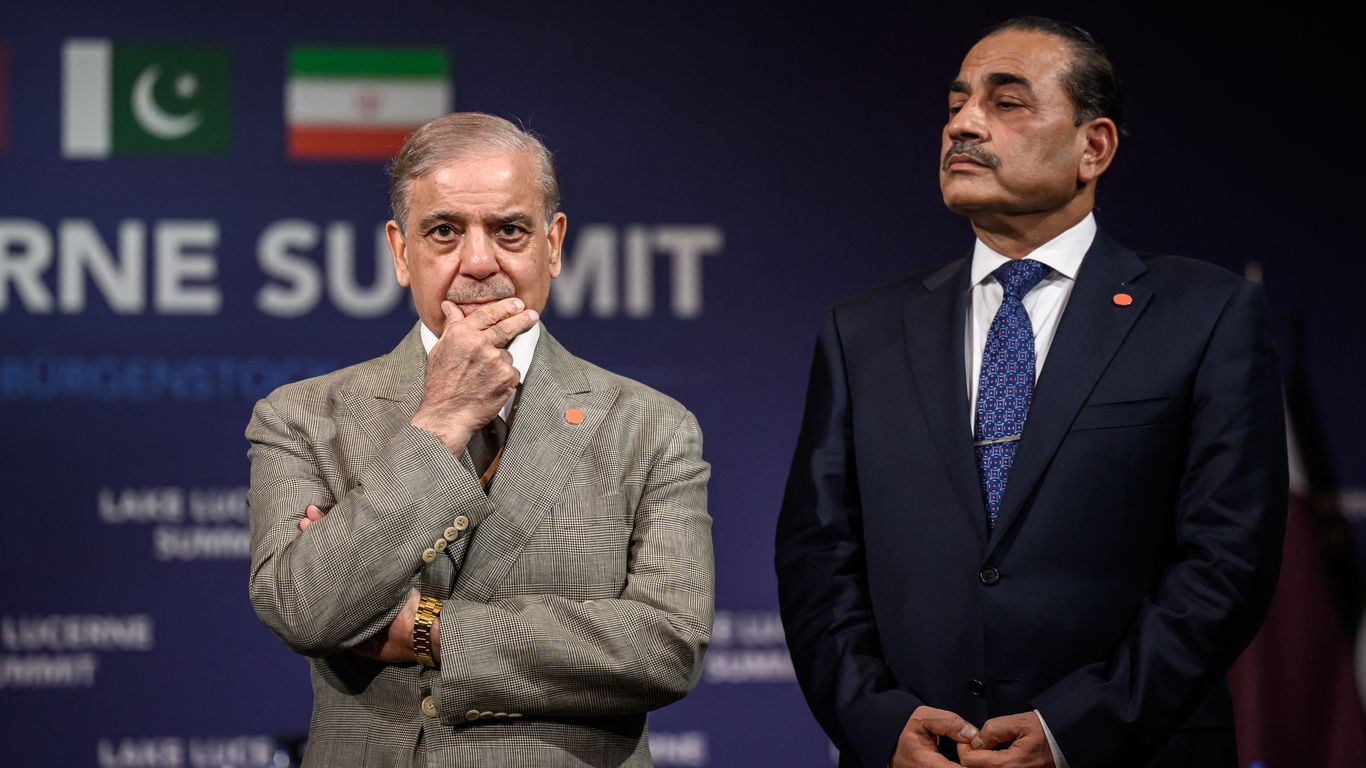
Image via Axios
Regional intermediaries rush to keep U.S.-Iran nuclear talks from flatlining
Qatar, Pakistan and other regional intermediaries are trying to cool tensions between Washington and Tehran and get nuclear negotiations back on track, according to people familiar with the effort. The immediate goal is to stop recent escalations from hardening into a full diplomatic freeze.
The mediators are effectively running shuttle diplomacy: passing messages, probing for off-ramps, and testing what each side could accept without looking like it caved. The risk is that even a temporary breakdown becomes self-reinforcing, with each side betting domestic politics will reward toughness more than compromise.
If the channel collapses, the next phase likely shifts from bargaining to pressure campaigns: tighter sanctions and maritime/security incidents on one side, accelerated nuclear steps and regional brinkmanship on the other. That raises the odds of a miscalculation that markets and allies will price in quickly.
Read the full story at Axios →

Image via The Hill
Schumer says Trump’s election board firings are a power grab
Senate Democratic Leader Chuck Schumer accused President Trump of a "brazen attempt to seize control" after the administration fired members of the bipartisan Election Assistance Commission. Schumer framed the move as an effort to politicize election administration and undermine guardrails meant to keep the federal role technical, not partisan.
The EAC is small but influential: it sets voluntary voting system guidelines, administers federal election security funding support, and serves as a credibility anchor for states and vendors. Firing commissioners sets up a legal and political fight over what independence means for agencies created to be insulated from day-to-day White House control.
Next up: Senate Democrats will push oversight hearings and court challenges may follow, while Republicans are likely to argue the president is entitled to choose personnel aligned with his election integrity agenda. Either way, election administration is getting pulled deeper into the 2026 campaign trench warfare.
Read the full story at The Hill →

Image via Investing.com
Stocks steady as traders wait on a marquee listing and track Middle East risk
U.S. stocks opened relatively steady as investors balanced company and listing headlines against geopolitical uncertainty in the Middle East. The tone was cautious rather than fearful: markets are watching for any supply or shipping disruptions that could spill into energy prices and inflation expectations.
Investors also had an eye on the expected market debut tied to SK Hynix, which is being treated as a read-through on demand for high-end memory chips and AI-linked hardware appetite. A strong reception would support the broader "AI capex is real" narrative; a weak one would feed concerns that valuations have run ahead of near-term earnings.
Bottom line: traders are trying to price two things at once that don’t mix cleanly—growth optimism and geopolitical tail risk—so the default posture is to wait for clearer signals from headlines, yields, and crude.
Read the full story at Investing.com →

Image via Forbes
Delta shows travelers will pay up, even with fuel costs biting
Delta posted profits despite elevated fuel costs, leaning on strong demand for travel experiences and premium-ish leisure spending. Management pointed to sustained appetite for big-ticket trips, including travel tied to major events like World Cup matches.
The story is less about cheap seats and more about mix: customers who are traveling are prioritizing timing, convenience, and upgrades, allowing airlines to defend pricing even as operating costs rise. That helps explain why the sector can look resilient even when consumers say they’re stressed—travel is being treated like a non-negotiable for certain households.
What to watch next is margin durability: if fuel stays high and the economy cools, airlines will need load factors and pricing discipline to hold. Delta’s results suggest demand is still carrying the load, but the test will be late summer and fall when seasonal tailwinds fade.
Read the full story at Forbes →
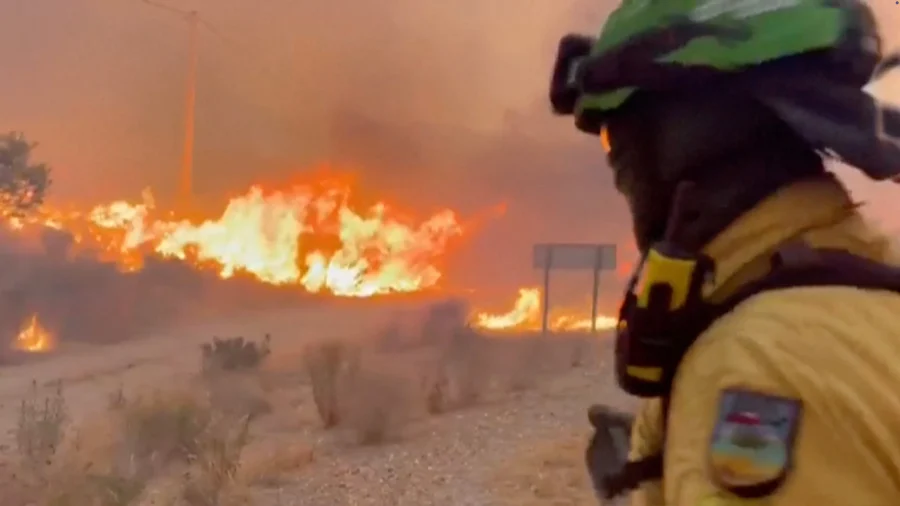
Image via NTD
Spain wildfire kills at least 12, with dozens still unaccounted for
A major wildfire in Spain has killed at least 12 people and left at least 23 missing, making it one of the country’s deadliest in recent memory. Firefighters have been battling fast-moving flames and dangerous conditions as the blaze threatened communities and complicated search and rescue efforts.
Authorities have focused on evacuations, perimeter control, and locating those still missing while conditions allow. Wildfires of this scale are increasingly defined by speed and intensity, leaving narrow windows for warnings and making containment dependent on wind shifts, humidity, and aerial support.
In the near term, the priority is accounting for missing residents and stabilizing the burn area to prevent flare-ups. Longer term, Spain is likely to face renewed scrutiny over land management, emergency readiness, and how extreme heat and drought are reshaping fire seasons.
That’s the whole board in under five. See you Monday.
— Daily Recap Editorial