Sponsored By:
Market shifts are happening now. Changes in positioning and sector attention are creating subtle activity across small-cap areas before broader discussion follows. Market Maven Insights has prepared a short research briefing highlighting three companies showing early changes in activity.
Inside: emerging signals across AI-related names, energy-focused setups forming beneath broader trends, and small-cap profiles reacting to inflation and rate expectations. These patterns often appear quietly before they become widely discussed.
Access the Research BriefingWe encourage readers to perform their own research and due diligence on any information we provide. By clicking the link you will automatically be subscribed to the Market Mavens Newsletter. Privacy Policy

SoFi beat expectations and set lending records, but the stock fell after it kept full-year guidance unchanged—highlighting how markets are rewarding "beat-and-raise" narratives and punishing perceived conservatism.

Image via MarketWatch
SoFi Beat the Quarter, Set Lending Records — and Still Got Sold
SoFi posted a quarter full of superlatives: record personal-loan originations, strong member growth, and results that topped Wall Street expectations. Management also highlighted improving credit performance and continued momentum across its lending and financial-services businesses.
But investors focused on what didn’t happen: SoFi didn’t raise its full-year outlook, even with the beat and the record volumes. In a market that’s been rewarding “beat-and-raise” stories and punishing anything that smells like conservatism, the unchanged guidance read less like prudence and more like a ceiling.
Read the full story at MarketWatch →
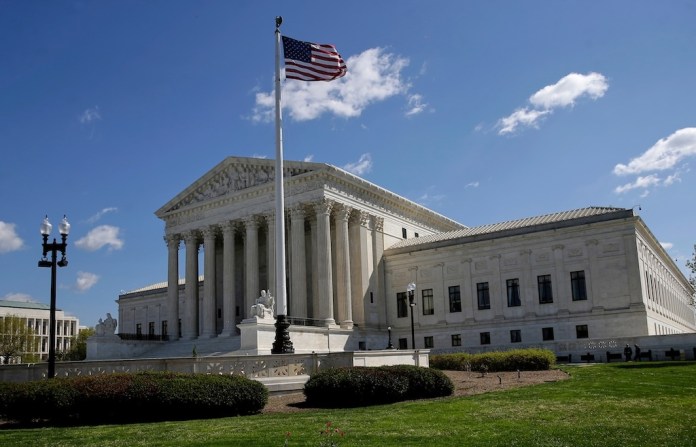
Image via Washington Examiner
Supreme Court Sides With Crisis Pregnancy Center in New Jersey Donor Fight
The Supreme Court handed a crisis pregnancy center a significant win Wednesday, backing its effort to block New Jersey from enforcing a subpoena that sought donor information. The center argued that turning over its donor list would chill First Amendment-protected association and speech, especially given the politically charged environment around abortion.
The ruling strengthens the hand of advocacy groups—especially controversial ones—seeking to keep donor identities confidential when state investigators come calling. It also adds another data point to the Court’s recent pattern: when compelled disclosure collides with associational privacy, the justices have been more skeptical of government demands.
Read the full story at Washington Examiner →
Kevin Warsh Clears a Senate Hurdle, Setting Up a Final Vote for the Fed
Kevin Warsh, President Trump’s pick for the Federal Reserve, cleared a key Senate procedural hurdle, putting him on track for a final confirmation vote. The move comes as Trump continues publicly pressuring the Fed to cut rates more aggressively, framing monetary policy as an obstacle to faster growth.
Warsh, a former Fed governor, is viewed as a serious institutional player—but his nomination is landing in a highly politicized moment for the central bank. The next stage is the final vote, where senators will effectively decide whether to reinforce Fed independence—or recalibrate it toward a White House that wants lower rates yesterday.
Australia Moves to Tax Big Tech to Fund Newsrooms
Australia is moving to impose a tax on major tech platforms—including Meta, Google, and TikTok—with the proceeds aimed at supporting local newsrooms. The government’s pitch is straightforward: these platforms profit from news distribution and attention, while traditional journalism bears the cost of reporting and has seen ad revenue hollow out.
This is the next iteration of Australia’s global test case for making platforms pay for news, after earlier bargaining-code battles pushed some companies to negotiate deals with publishers. The key watch is implementation: whether the policy meaningfully funds reporting, and whether platforms respond with dealmaking—or by limiting news visibility again.
Read the full story at AP News →
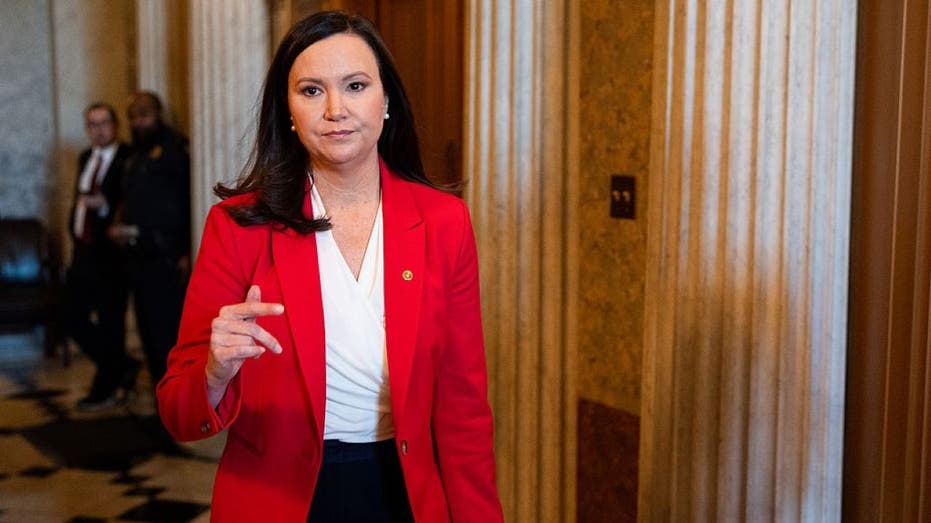
Image via Fox News
Senators Target “Ghost Students” Draining Federal Financial Aid
A bipartisan group of senators unveiled legislation aimed at curbing financial aid fraud driven by “ghost students”—fake or stolen identities used to enroll in courses long enough to trigger aid payouts. The scam has become a growing headache for colleges and the Education Department, with fraudsters often using synthetic identities, stolen Social Security numbers, and automated enrollment tactics.
The bill would tighten verification and oversight mechanisms designed to stop payments before money leaves the system, rather than trying to claw it back after the fact. The political appeal is obvious: it’s anti-fraud, pro-taxpayer, and hard to argue with—unless the compliance burden lands heavily on legitimate students and smaller schools.
Read the full story at Fox News →
That’s the day—tight, factual, and enough to walk into your next meeting like you read everything.
— Daily Recap Editorial