The Fed held rates, inflation is still above target, and uncertainty is rising — that means the "buy anything AI" trade is over. Smart money is rotating fast toward the companies actually building AI infrastructure: chips, cloud capacity, and mission-critical data tools. Big Tech alone is projected to spend $635B–$665B on AI in 2026 — and not all of it is going where most investors are looking.
We've identified 9 AI stocks worth watching right now — including a lesser-known chip name tied to U.S. AI infrastructure, a cloud player with improving setup, and a data analytics company with government exposure. This isn't hype. It's about following where capital is actually being deployed.
Get the Free Report NowBy clicking the link above, you will receive this free report and a free subscription to the StockEarnings daily email newsletter. You are also agreeing to the terms of our Privacy Policy. Unsubscribe at any time.

Thursday, August 27, 2026. Five stories, zero fluff. Here’s what moved markets, reshaped risk, and signaled what’s next.
Image via MarketWatch
Salesforce pops, and the software trade breathes again
Salesforce’s results sparked a broader rally in software stocks as investors took the quarter as evidence that AI isn’t automatically cannibalizing traditional subscription software. Wall Street’s read: companies can layer AI on top of existing platforms without blowing up pricing power or customer retention.
A key subtext was partnerships. The market is increasingly treating tie-ups between legacy software vendors and leading model operators as a feature, not a bug: distribution and enterprise trust on one side, cutting-edge models on the other.
That matters because the “AI doomsday” thesis for software has been simple: models replace apps. This week’s message from the tape is more incremental and practical: apps get smarter, vendors defend their turf, and the winners are the ones who can ship usable AI inside existing workflows.
Source: MarketWatch
Read the full story at MarketWatch →
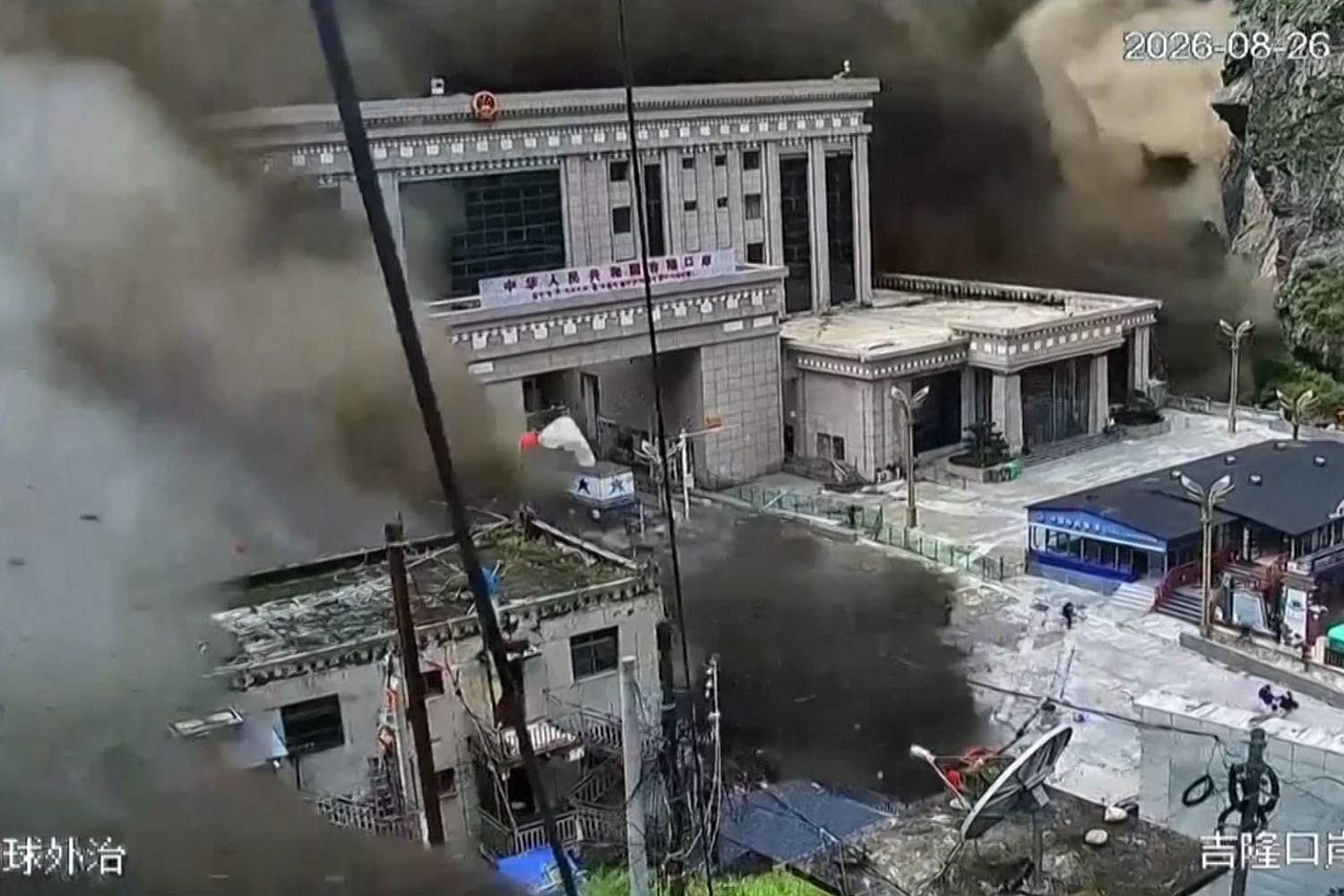
Image via NBC News
Nepal flash floods leave hundreds missing after towns are torn apart
Catastrophic flash flooding swept through Himalayan towns and villages in Nepal, with authorities reporting hundreds missing. Videos and eyewitness accounts showed vehicles, bridges, and buildings being carried away as residents fled with little warning.
The geography is unforgiving: steep valleys concentrate runoff, and surges can move faster than communities can react. Rescue teams have been searching damaged corridors where roads and bridges are gone, complicating access and communications.
Beyond the immediate toll, the next risk is a cascading crisis: disrupted supply lines, contaminated water, and displacement as more rain and unstable terrain threaten follow-on slides and floods. Regional coordination and rapid logistics will determine how quickly isolated areas can be reached.
Source: NBC News
Read the full story at NBC News →

Image via Washington Examiner
Iran and Oman say they have a Strait of Hormuz corridor plan — but want Washington onboard
Iran and Oman reached an understanding on a temporary shipping corridor through the Strait of Hormuz, a critical chokepoint for global energy flows. The agreement clears a major hurdle to reopening safer passage, but Tehran indicated the plan still awaits U.S. buy-in.
Even a partial corridor matters because the strait is where geopolitical risk turns into immediate pricing power: insurers reprice, tankers reroute, and markets bake in worst-case scenarios. A workable lane, backed by credible enforcement and deconfliction, could reduce the odds of miscalculation — or at least narrow it.
What to watch is the fine print: who guarantees security, what rules govern inspections or escorts, and how quickly shipping, insurers, and navies treat the corridor as real rather than aspirational. In this region, credibility is policy.
Source: Washington Examiner
Read the full story at Washington Examiner →
Trump’s beef import plan runs into ranch country resistance
Ranchers are pushing back on former President Donald Trump’s plan to increase beef imports, arguing it could undercut domestic producers and weaken already-thin margins. The dispute is landing in familiar political terrain: rural voters who are culturally aligned with Trump but economically wary of competition.
Supporters frame imports as a lever to control consumer prices and stabilize supply, especially when drought, feed costs, and herd dynamics tighten the market. Critics counter that the near-term relief at the grocery store can translate into long-term pressure on U.S. production, with knock-on effects for rural economies.
The policy fight will hinge on scope and timing: which countries, what volumes, what health and labeling rules, and whether there’s parallel support for domestic producers. It’s a reminder that “pro-trade” and “pro-farmer” can collide fast.
Source: PBS
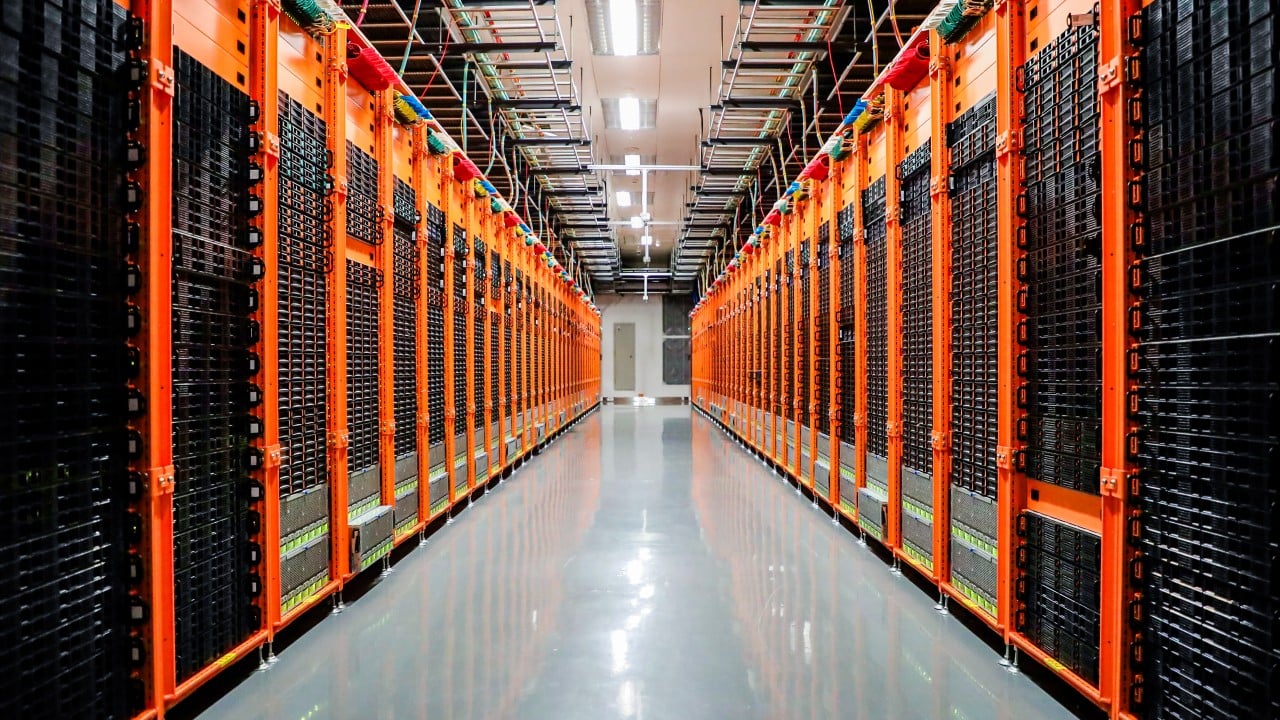
Image via South China Morning Post
Alibaba plants its AI flag in South America with Brazil data centers
Alibaba launched its first data centers in South America, starting in Brazil, as it expands AI infrastructure in emerging markets. The move is designed to bring compute and data storage closer to customers, cutting latency and addressing data residency expectations.
Brazil is the obvious beachhead: scale, cloud demand, and a fast-growing AI developer ecosystem. For Alibaba, it’s also a strategic hedge as global tech competition hardens into regional blocks and customers want alternatives to U.S.-based hyperscalers.
What to watch next is customer mix and regulation. If Alibaba can win enterprise workloads and public-sector-adjacent contracts while navigating Brazil’s political and privacy landscape, the region becomes a meaningful growth lane — not just a map pin.
Source: South China Morning Post
Read the full story at South China Morning Post →
That’s the recap. You’re caught up — and you can stop doomscrolling now.
— Daily Recap Editorial