Sponsored By:
The AI revolution is here—and I've identified 9 powerhouse companies with real US operations, proven revenue growth, and deep AI integration that are primed to dominate. From a hidden chip maker set to power domestic AI manufacturing to a cloud provider ready for explosive growth, these aren't the tired "AI hype" stocks everyone's talking about.
The smart money is already watching, and once they move, these stocks could soar. Don't be the last to catch this wave—get the complete details on all 9 game-changing companies in my FREE report before opportunity passes you by.
Get the Free ReportBy clicking this link you agree to receive emails from StockEarnings and our affiliates. You can opt out at any time. Privacy Policy.

Five developments that actually move markets, policy, and the war map — with the noise stripped out.
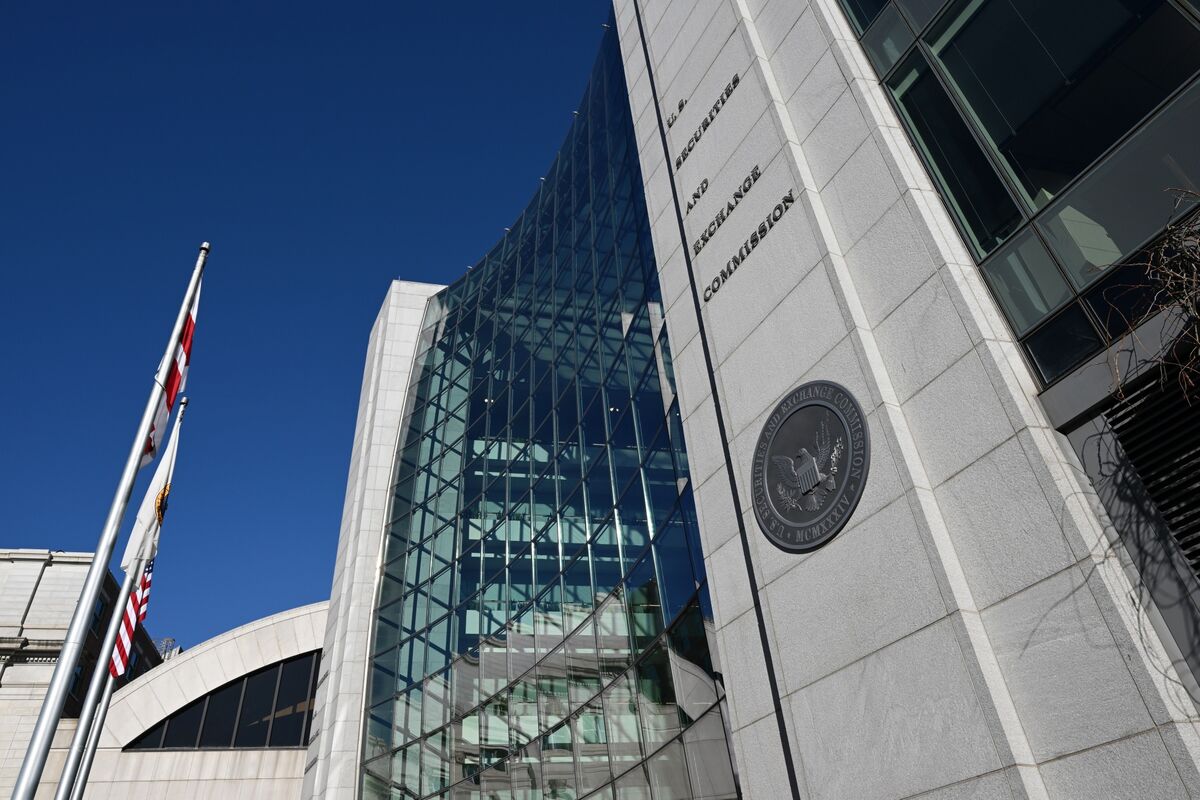
Image via Bloomberg
Supreme Court Passes on SEC’s Old Settlement “Gag Rule” Fight
The Supreme Court declined to hear a challenge targeting a former SEC settlement policy that limited what defendants could publicly say after resolving enforcement cases. Because the policy has already been rescinded, the justices let lower-court rulings stand without weighing in on the First Amendment questions at the center of the dispute.
Practically, this keeps the legal status of the SEC’s prior approach unresolved at the top level while confirming the agency won’t get a fresh Supreme Court stamp on the issue anytime soon. For companies and individuals negotiating with regulators, the bigger signal is procedural: if the rule is gone, the Court is less interested in spending scarce attention on a fight that may be viewed as backward-looking.
Expect the action to shift back to how the SEC drafts settlement language going forward — and whether future disputes focus on narrower “no denial” terms rather than broad limits on post-settlement speech.
Read the full story at Bloomberg →
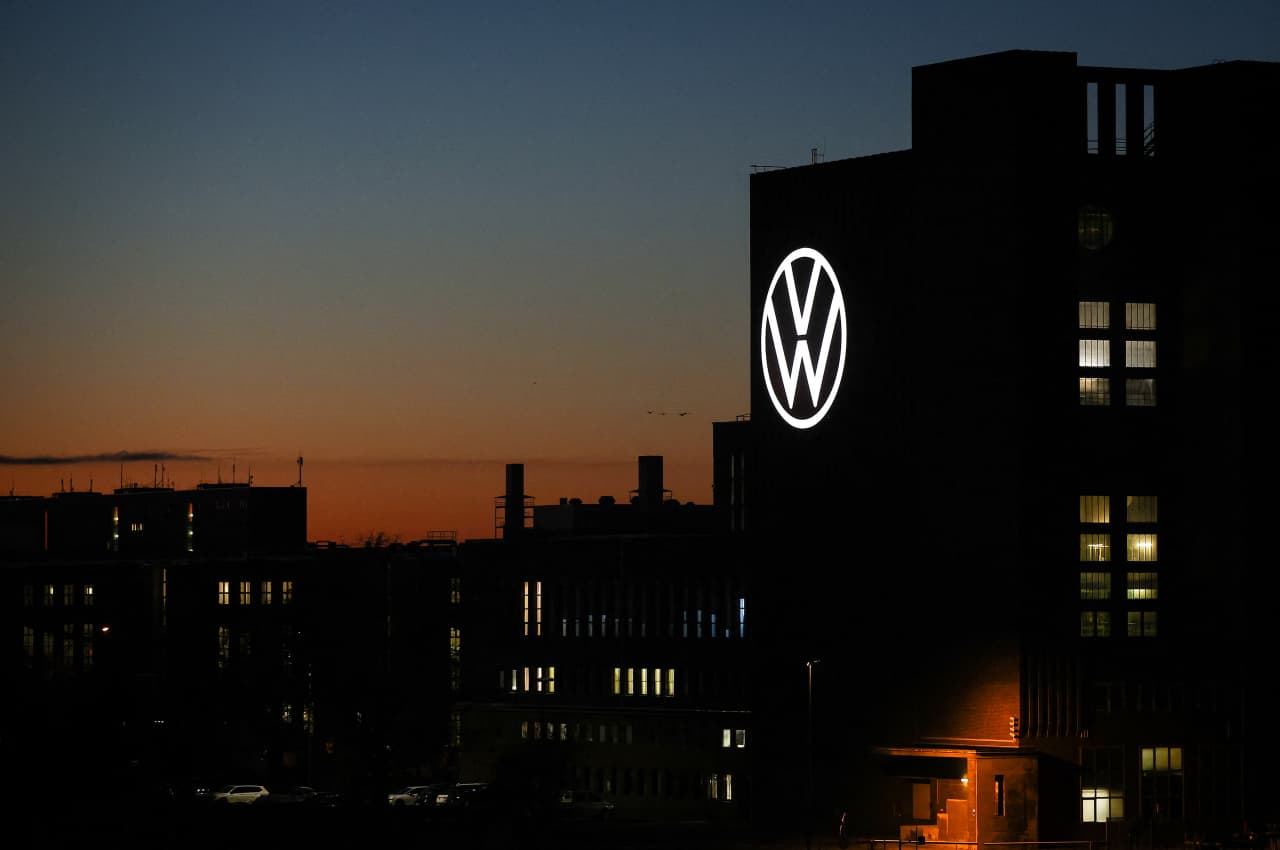
Image via MarketWatch
Volkswagen Slides Toward a 15-Year Low on Reports of Up to 100,000 Layoffs
Volkswagen shares sank toward a 15-year low after reports said the company is weighing job cuts that could reach roughly 100,000 positions. The market read the headline as a sign that cost pressure is no longer incremental — it’s structural.
A layoff plan of that size would underscore how hard the legacy European auto model is being squeezed: softer demand, high labor costs, and an EV transition that hasn’t produced the margin profile investors were promised. Even if the final number lands lower, the direction is clear: VW is being forced to fund future platforms by shrinking today’s overhead.
What to watch next is how management frames timing and scope — voluntary attrition versus plant-level reductions — and whether unions and politicians box the plan in. The stock reaction suggests investors will reward clarity, but punish delays.
Read the full story at MarketWatch →

Image via Washington Examiner
Trump Says Iran Asked for Talks After Claims Billions Will Be Unfrozen
President Donald Trump said the U.S. and Iran will meet for peace talks this week, describing the meeting as requested by Iran. The announcement follows weekend clashes that raised fresh doubts about the durability of a recent 60-day de-escalation window.
The timing is notable because Iran’s President Masoud Pezeshkian has claimed about $6 billion in assets will be released — a politically explosive figure in Washington and a major incentive lever for Tehran. The two tracks (talks and money) are intertwined: any perception of concessions without verifiable restraint will trigger backlash, while Tehran will want tangible economic relief up front.
Next up: confirmation of the venue, agenda, and who’s actually in the room — plus whether “talks” means technical discussions, a broader package, or simply a pressure-release valve after the clashes.
Read the full story at Washington Examiner →
Toyota’s Global Sales Slip Again, with China, U.S., and Middle East All Dragging
Toyota reported May sales fell for a fourth straight month, weighed down by declines in China, the United States, and the Middle East. It’s a broad-based slowdown rather than a one-market anomaly.
For Toyota, the message is that even the best-run mass automaker can’t fully outrun macro and regional shocks: China remains a brutally competitive price arena, U.S. demand is normalizing after years of supply-driven distortions, and the Middle East is sensitive to geopolitical and energy-price swings. Investors will also read this against the industry’s bigger question: whether hybrids keep cushioning volume while EV strategies mature.
Watch upcoming guidance for how Toyota expects incentives, model mix, and regional inventory to evolve through the summer. The fourth consecutive decline puts extra weight on any sign that the downturn is flattening — or accelerating.
Read the full story at Reuters →
Ukraine Hits Another Russian Refinery as Moscow Admits Fuel Strains
Ukrainian drones set another Russian oil refinery on fire, extending a campaign aimed at degrading Russia’s fuel production and logistics. Separately, Russian President Vladimir Putin acknowledged fuel shortages, a notable public admission given the Kremlin’s usual posture of control.
Refineries are high-value targets because disruption ripples quickly: less output for domestic consumption, more strain on military supply chains, and higher costs to reroute or repair. Even limited damage can force temporary shutdowns, and repeated strikes compound by pulling air defenses and resources away from other fronts.
What to watch is whether Russia responds by tightening export controls, increasing internal rationing, or escalating strikes on Ukrainian energy infrastructure in retaliation. If shortages persist, the pressure shifts from the battlefield to household politics — and that’s a lever Ukraine is clearly trying to pull.
Read the full story at AP News →
That’s the file. Back tomorrow with what changed — and what didn’t.
— Daily Recap Editorial