Sponsored By:
History shows a clear pattern: the investors who recognized the exact inflection point in the dot-com boom pocketed 400–800% gains in 18 months. Those who spotted the same moment in cloud computing saw 300–600% returns. Based on 50 years of market data, that same moment is happening right now — and the acceleration phase has already begun.
This free 7-page report reveals where we are in the current megatrend cycle, why the next 18 months are critical, and how to position yourself before the window closes. Don't be the investor who enters too late.
Get the Free ReportBy clicking 'Get the Free Report' you are automatically subscribing to Darwin Investor Network and will receive a free subscription to the Chaikin PowerFeed newsletter. Unsubscribing is easy. Privacy Policy

Never Lose Sleep About What You Missed. Five stories, no fluff, and what to watch next.
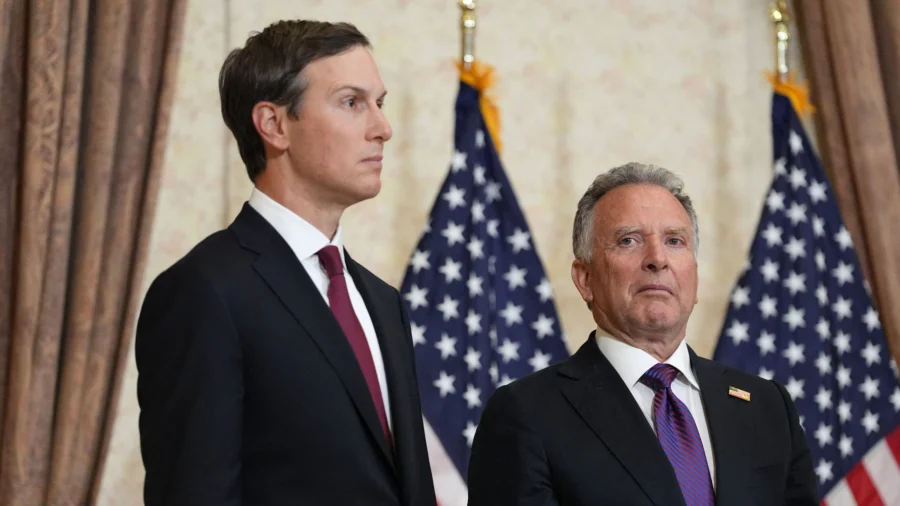
Image via NTD
U.S. and Iran Send Teams to Qatar — But a Sit-Down Isn’t Guaranteed
U.S. and Iranian delegations are traveling to Qatar for talks that may or may not actually happen, underscoring how fragile the channel still is. The trip signals both sides want the optics of diplomacy, even if the agenda and format remain unsettled.
Qatar’s role as a go-between matters because it can host discreet, fast-moving discussions when direct engagement is politically risky. The immediate question is whether this is a real negotiating session, a pre-talks “temperature check,” or simply positioning for the next round.
Source: NTD
Peace With Iran Runs Into the Lebanon Problem
U.S.-Iran peace efforts are inching forward, but analysts warn any durable deal is likely tied to a separate stabilization track between Israel and Lebanon — specifically the ongoing Israel-Hezbollah conflict. That linkage makes the diplomatic math harder: Washington can press Tehran, but it can’t unilaterally deliver calm on Israel’s northern border.
The complication is leverage and sequencing. If Israel insists on security guarantees first, and Iran (via Hezbollah) keeps escalation options on the table, the “big” U.S.-Iran agreement can get stuck waiting on a smaller, messier regional bargain.
Source: CBS News
Read the full story at CBS News →

Image via NBC News
Trump Blasts Supreme Court Move Allowing Some Late-Arriving Mail Ballots
President Trump criticized a Supreme Court ruling that permits mail-in ballots to be counted even if they arrive after Election Day, so long as they were sent on time. Trump argued the decision weakens election integrity and invites litigation-heavy results.
The practical effect is that close races could stay unresolved longer, with campaigns focusing on ballot timestamps, postmarks, and chain-of-custody disputes. Expect more pressure on states to tighten verification standards — and more lawsuits when margins are thin.
Source: NBC News
Read the full story at NBC News →

Image via Investing.com
Horace Mann Hits a Record High as Investors Reprice Insurers
Horace Mann’s stock touched an all-time high of $52.61, a notable milestone for the educator-focused insurer. The move suggests investors are growing more confident about earnings durability and underwriting discipline after a long stretch where insurers were forced to prove they could price risk correctly.
For markets, insurer highs can be a read-through on improving loss-cost expectations and steadier premium growth — especially if rates stay elevated and investment income remains supportive. The next watch item is whether guidance and reserve commentary keep matching the optimism now priced into the stock.
Source: Investing.com
Read the full story at Investing.com →
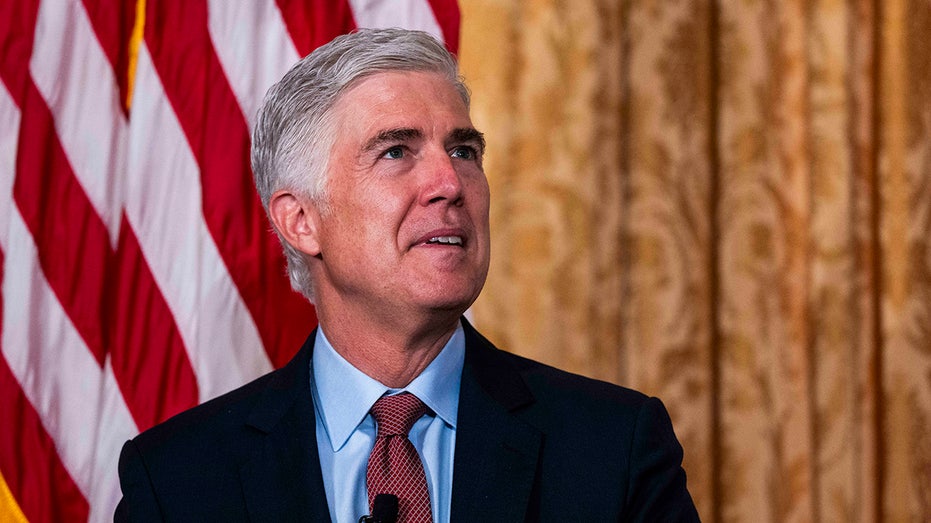
Image via Fox News
Gorsuch: The Court’s Latest Trump-Era Ruling May Be a Shot at the Administrative State
Justice Neil Gorsuch, in a concurrence, suggested the Supreme Court’s recent ruling involving the FTC could be an opening move toward broader limits on independent agencies. His framing points at a larger constitutional argument: whether Congress can insulate powerful regulators from presidential control while still granting them sweeping enforcement authority.
If that logic gains traction, it could invite challenges to how agencies are structured and how much adjudication happens inside the executive branch rather than in traditional courts. The near-term impact is uncertainty for regulators and regulated industries alike — and more incentive for Congress to write clearer laws instead of delegating big policy calls to agencies.
Source: Fox News
Read the full story at Fox News →
That’s the day: diplomacy still conditional, elections still litigated, markets still rewarding the disciplined, and the Court still reshaping Washington’s power map.
— Daily Recap Editorial