History shows a clear pattern: the investors who recognized the exact inflection point in the dot-com boom pocketed 400–800% gains in 18 months. Those who spotted the same moment in cloud computing saw 300–600% returns. Based on 50 years of market data, that same moment is happening right now — and the acceleration phase has already begun.
This free 7-page report reveals where we are in the current megatrend cycle, why the next 18 months are critical, and how to position yourself before the window closes. Don't be the investor who enters too late.
Get the Free ReportBy clicking 'Get the Free Report' you are automatically subscribing to Darwin Investor Network and will receive a free subscription to the Chaikin PowerFeed newsletter. Unsubscribing is easy. Privacy Policy

Five stories, zero fluff: what happened, why it matters, and what to watch next.
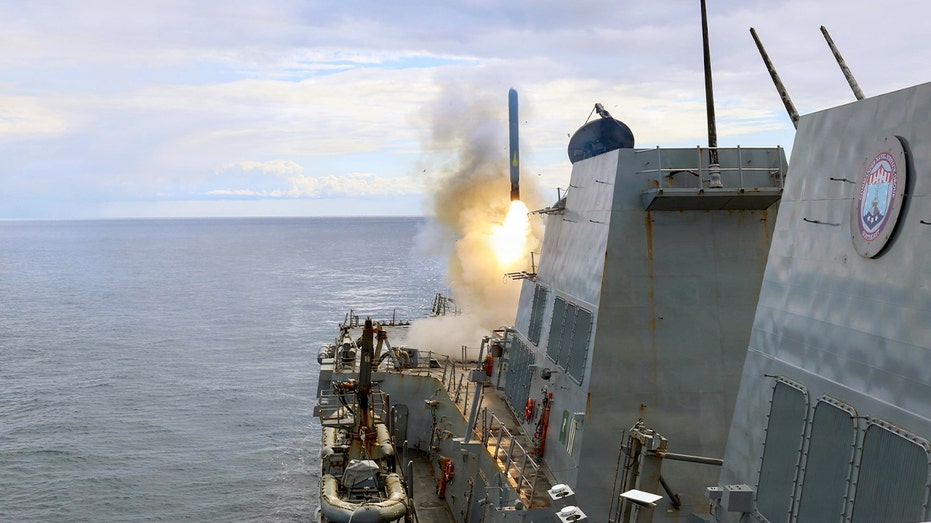
Image via Fox News
Pentagon hands Raytheon a $22.9B Tomahawk boost as Trump waves off stockpile worries
The Defense Department awarded Raytheon a $22.9 billion contract tied to Tomahawk cruise missile production, aimed at ramping output and tightening delivery timelines. The deal lands amid ongoing debate in Washington over whether U.S. munitions inventories are being stretched by multiple global commitments.
President Trump dismissed concerns about depleted weapons stockpiles, framing the contract as proof the industrial base can scale when ordered to. The practical signal is less about one missile and more about capacity: the administration is leaning on long-range strike and trying to make production less episodic and more continuous.
Source: Fox News
Read the full story at Fox News →

Image via New York Post
Indiana flooding turns deadly after days of storms; rescues still underway
At least seven people are dead in Indiana after days of severe storms triggered flash flooding and record water levels in some areas. Emergency crews continued evacuations and rescue operations as rivers and creeks overtopped, roads washed out, and neighborhoods were cut off.
The bigger takeaway is duration: multi-day rain on already-saturated ground turns routine storm response into a moving disaster, with risks that persist even after the heaviest bands pass. Expect more pressure on local shelters, infrastructure repairs, and state requests for federal help as damage assessments catch up.
Source: New York Post
Read the full story at New York Post →

Image via The Hill
Supreme Court closes the door on Trump’s bid to revisit the E. Jean Carroll verdict
The Supreme Court declined to take up President Trump’s effort to reconsider his appeal tied to writer E. Jean Carroll’s $5 million sexual abuse verdict. The move leaves the judgment intact and effectively ends this particular longshot avenue at the high court.
In plain terms, the legal baseline doesn’t change: the verdict stands, and Trump’s options narrow to whatever remaining procedural routes exist in lower courts, if any. Politically, it keeps a live, court-validated fact pattern in the background as the administration tries to focus public attention elsewhere.
Source: The Hill
Read the full story at The Hill →
OpenAI’s Brockman says leadership churn isn’t unusual — investors are still watching
OpenAI president Greg Brockman told CNBC he doesn’t view recent leadership departures as "actually that atypical," pushing back on concerns that internal turnover signals deeper instability. His comments come as the company navigates high stakes: model releases, commercialization, safety governance, and intense competition for talent.
Even if churn is normal in fast-growth tech, it matters here because OpenAI’s direction shapes enterprise adoption, regulation debates, and capital flows across the AI ecosystem. The watch item is whether departures cluster around strategy and governance disputes — or whether the product roadmap keeps landing on schedule.
Source: CNBC
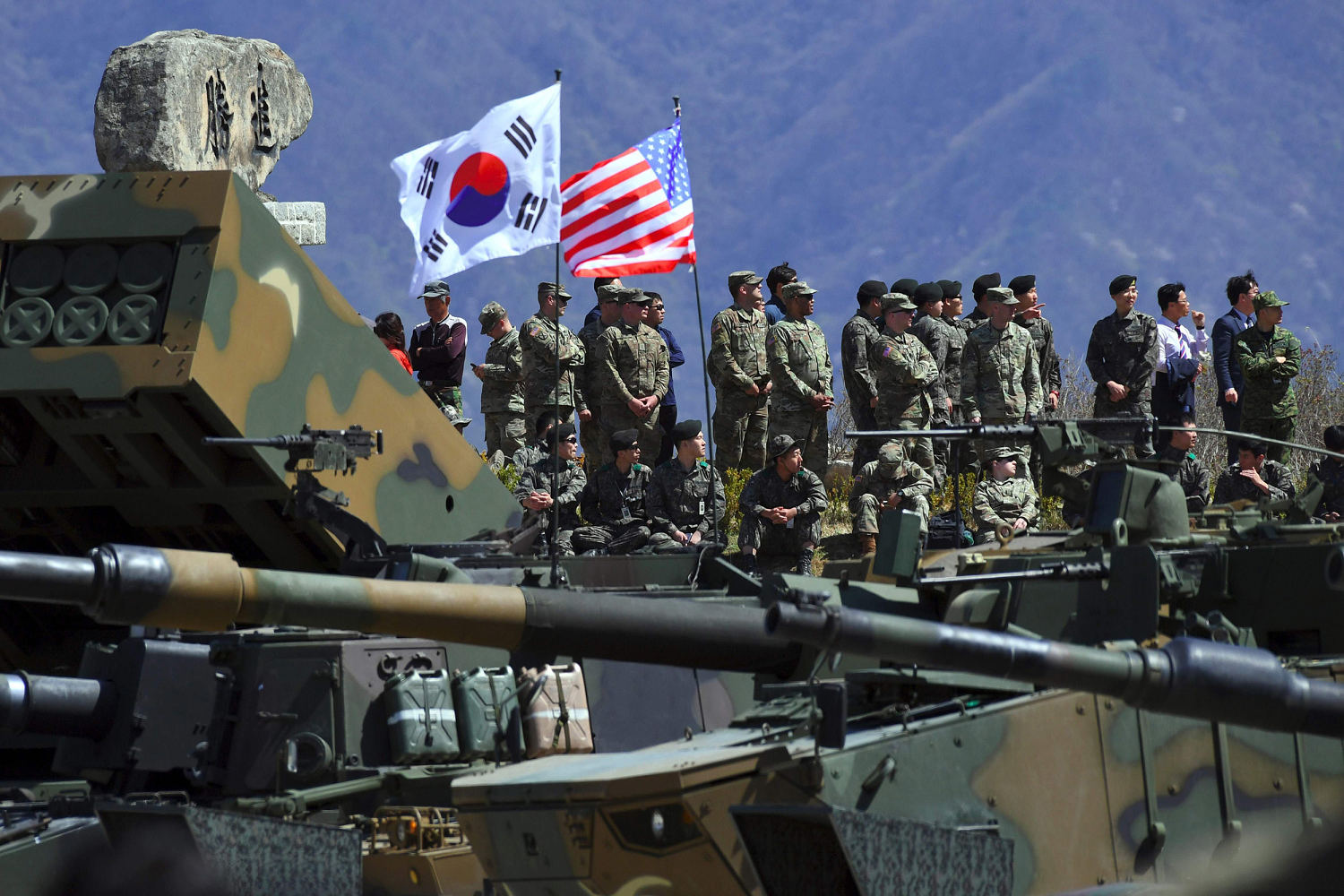
Image via NBC News
Trump orders a major scale-back of U.S.–South Korea military exercises
President Trump said he has directed the Pentagon to “substantially reduce” joint military exercises with South Korea. He cited Seoul’s refusal to join the war in Iran and pointed to his “very good” relationship with North Korea as part of the rationale.
This is a sharp recalibration of deterrence signaling in Northeast Asia: exercises are as much about readiness as they are about communicating alliance resolve. The next test is how Seoul responds — and whether Pyongyang treats the pullback as an opening to press for concessions or to raise the temperature anyway.
Source: NBC News
Read the full story at NBC News →
That’s the day: contracts, courts, floods, AI, and alliance math. You’re caught up.
— Daily Recap Editorial